The latest News and Information on Incident Management, On-Call, Incident Response and related technologies.
The current business environment requires organizations to implement cybersecurity safeguards to avert disasters associated with breaches, loss of data and hefty fines. Simply implementing a cybersecurity plan isn’t enough, it’s also important to incorporate the right solutions and workflows to prevent a disaster. This post will discuss the current state of cybersecurity, highlighting what organizations should be mindful of to successfully defend against malicious parties.
Are you a practitioner looking to attend the speaking sessions at PagerDuty Summit 2019 and want to get into the weeds with the PagerDuty developer community? This year, the PagerDuty Community Team is drumming up many special activities that puts users at the front lines of real-time operations.
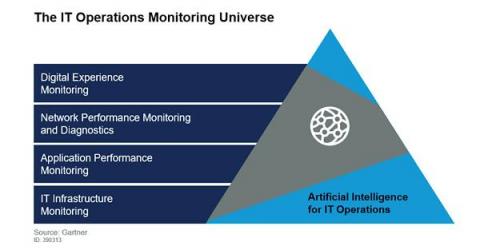
The underlying infrastructures behind IT systems have become complex and overloaded. A single incident in today’s IT stack can shut down large chunks of a business and cost it millions – or even billions. Because of that, many businesses consider implementing AIOps in their IT operations an important part of their future.
Incident escalation is one of those seemingly mundane issues, the importance of which is often underestimated. Simply put, the escalation process is used to flag issues so that the relevant personnel can respond to situations. Implementation of a well-designed escalation process, however, is anything but simple.
Time-sensitive situations require immediate action, ensuring that a goal or task is achieved within a restrictive deadline. This is the case for Search and Rescue Dogs of Colorado (SARDOC), a non-profit organization dedicated to finding missing persons in mountainous and wilderness regions.
Transformation of IT Ops When I think of the term IT Ops I immediately think of Enterprise IT and the traditional attributes that make up this function – many of which are in the middle of an industry-wide disruption – and its associated impact. At LinkedIn, when we first looked at business process support, shadow IT and non-accounted-for IT spend, about 10 years ago, it was a bit of a revelation to me how the landscape had already changed by then.