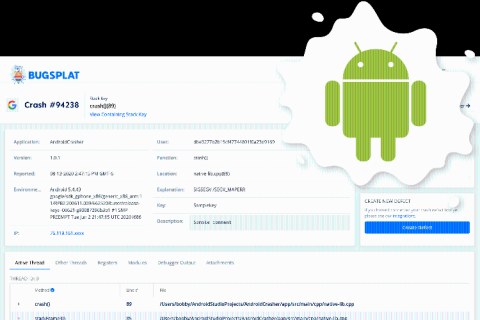
When I’m writing new software, one of the most important thoughts in my mind is how I’ll test to make sure it works. There are lots of ways to test software, and when you’re at your best, you should be using all of them. Sure, you should make sure that your QA team is able to verify that your code works before it goes live. You should make sure that the code passes acceptance tests, too.
Employee monitoring has become a standard practice across different industry verticals to examine productivity and ensure that company resources are being used in the right manner. In addition to keeping a track of the manner in which employees are working, it also allows preventing theft and serves as evidence in litigation. Employee monitoring applications offer a means of tracking the activities of employees and remove any guesswork about what employees are doing throughout the day.
Many business leaders are allowing workers to telecommute, to attract more Millennials and remain competitive in the labor market. And now, with coronavirus (COVID-19), becoming a remote organization is more than just a bottom-line decision. It can affect the health and welfare of a company’s employees. To address this new threat, organizations are now setting up remote workplaces, in days, if not hours.
Settling into any new job can be exhausting. New faces, new desk, new computer, new kitchen (and new kitchen rules), new… everything. On top of that, there are forms to fill in and return to multiple onboarding stakeholders, passwords to create, HR policies to read.
In 2019 multiple cities, hospitals and educational institutions in the U.S. were crippled by ransomware, including Baltimore, Atlanta, New York City, Regis University in Denver and Monroe University in New York. In the the last 12 months, the infosec community has seen these ransomware operators seriously upping their game (see Ryuk ransomware).
Out of the four basic computing resources (storage, memory, compute, network), storage tends to be positioned as the foremost one to focus on for any architect optimizing an Elasticsearch cluster. Let’s take a closer look at a couple of interesting aspects in relation to the Elasticsearch storage optimization and let’s do some hands-on tests along the way to get actionable insights. The storage topic consists of two general perspectives.
Many business leaders are allowing workers to telecommute, to attract more Millennials and remain competitive in the labor market. And now, with coronavirus (COVID-19), becoming a remote organization is more than just a bottom-line decision. It can affect the health and welfare of a company’s employees. To address this new threat, organizations are now setting up remote workplaces, in days, if not hours.
Has this scenario happened to you? You found a service. A SaaS product or hosted service: it could be anything. Maybe it’s a continuous integration service or perhaps it’s a service for capturing comments on your web site. Let’s call it Useful Service. You sign up, and you’re happy with it. Now you depend on it and your fortunes are tied to it. But day in and day out, it’s there for you, working reliably. Then all of the sudden: it’s not.
What is interactive rebase in Git? And how does one rebase interactively? In this advanced Git tutorial, we will go over everything you need to know to understand what interactive rebase is, how to confidently utilize the feature in GitKraken, and an example of how interactive rebase works in Git.