Operations | Monitoring | ITSM | DevOps | Cloud

The Impact of AI and ML in ITSM with 10 Real World Use Cases

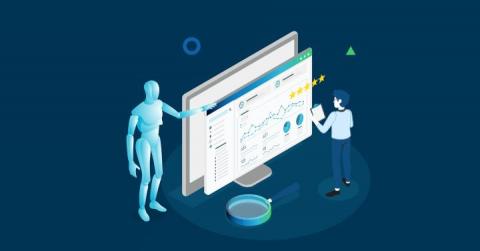
Artificial intelligence (AI) was highlighted as a key IT service management (ITSM) trend in 2021. IT organizations are beginning to employ various AI and machine learning techniques to enhance and improve IT service management processes. Because of the abundance of data generated by ITSM systems, applying machine learning to ITSM processes makes a lot of sense as it can provide IT professionals with a deeper understanding of their infrastructure and procedures.


4 Steps to Making Observability Real for Your Team

Without unified observability, it’s stressful not having complete visibility into your application. Plus, it contributes to risky deployments. Yet we hear that many developers have poor visibility into what powers production code. Without transparency into their apps, developers cannot see: You can try navigating tickets, permissions, and dashboards that don’t tell the right story, but there are ways to solve this problem.

New feature in Loki 2.4: no more ordering constraint

A new version of Loki was released back in November, and I’m here to talk about one of its most exciting features. Loki 2.4 finally removed the requirement that all data must be ingested in timestamp-ascending order. Instead, Loki now allows out of order logs up to a configurable validity window (more to come on that). In this post, I’ll walk through what all this means and why we’re thrilled about it.

Unit testing vs integration testing

Software is one of the most complex tools invented for practical use. One misplaced character can break an entire application. So, careful testing is an essential requirement before publishing any code. In this article, you will learn about two fundamental types of software testing, unit testing and integration testing, and how your team can implement them in your CI/CD pipelines to validate your code quickly and deliver new features to your users with confidence.

Preparing your team for continuous deployment

A key goal for any DevOps team is to shorten the software development cycle and provide continuous delivery of high-quality software. Instead of continuing to the next logical goal, continuous deployment, most companies stop here. Developed code reaches the testing phase automatically, then, successful testing triggers a manual acceptance step. Only then is the application deployed into production.

Data-Driven Software Development: How To Make Strategic Dev Decisions

A fundamental requirement for building a profitable product is finding ways to reduce costs and improve efficiency. When you’re operating in the cloud, it’s almost impossible to gain this insight without data. This is where data-driven software development comes in. Data-driven development is a software engineering approach that relies on data to guide the development process.

Absolutely no one is safe from security attacks

Software developers and manufacturers around the world are under attack by cybercriminals. It is not like we are in a time of the year in which they spread more and they barricade themselves in front of the offices, with their evil laptops seeking to blow everything up, no. They are actually always there, trying to violate information security, and in this article we are going to give you a little advice on the subject.

Driving customer experience with connected digital workflows

The success of any organization, brand, product, or service hinges on customer sentiment. Positive customer experience leads to positive feelings. To deliver the best experience for every customer at scale, companies must address needs quickly, transparently, and proactively. That starts by connecting customer engagement, operations, data, people, and processes in a single system of action. With ServiceNow, customer issues and requests are broken down into tasks that can be automated.