Operations | Monitoring | ITSM | DevOps | Cloud

Creating The Perfect Variance Analysis Report: 5 Best Practices

A variance analysis report is used to measure actual performance against your budgeted or planned performance. From a finance perspective, it’s essentially a way to measure your organization’s planning effectiveness. While there are a number of reasons you might be surprised by your variance analysis, it can be a signal that something went wrong along the way and you have not been collaborating with your team, are using the wrong tools, or have ineffective processes.

Using Satellite Server for distributed environment monitoring

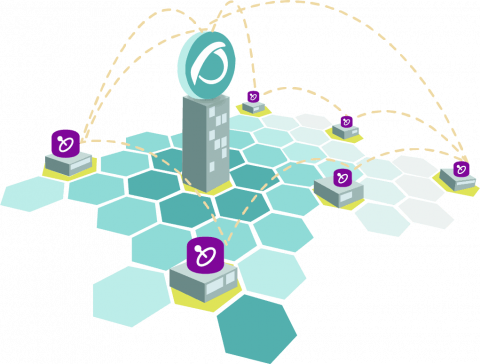
Today we will talk about one of the most versatile elements that Pandora FMS Enterprise offers us for monitoring distributed environments, the Satellite server. It will allow you to monitor different networks remotely, without the need to have connectivity directly from the monitoring environment with the computers that make it up.

Security Testing in an Agile Development World

Security testing is a key component of software quality. A program may meet functionality and performance requirements, but that does not guarantee security. In this blog post I will present different security testing methods and provide a few tips for conducting a more secure code review. But first, let’s understand what software security is intended for.

Understanding Cardinality in a Monitoring System and Why It's Important

The journey to becoming cloud-native comes with great benefits but also brings challenges. One of these challenges is the volume of operational data from cloud-native deployments — data comes from the cloud infrastructure, ephemeral application components, user activity, and more. The increased number of data sources does not only increase datapoint volume – it also requires that monitoring systems store and query against data with higher cardinality than ever before.

The 95th Percentile: How to Manage Capacity Before You Run Out

One of the largest challenges with network bandwidth metering is the way traffic flows. Traffic comes in bursts. It’s never a constant, predictable stream of data you can measure once, spec hardware for and be done with (wouldn’t that be nice?!). Instead, you need to account for the dynamic nature of bandwidth utilization and its impact on performance. You’ll never be able to predict every burst of traffic your network experiences.

Visualizing Your Time Series Data with the Highcharts Library and InfluxDB

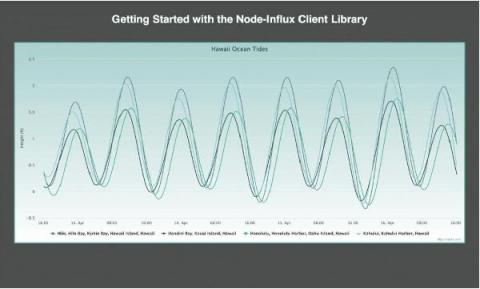
If you’re building an IoT application on top of InfluxDB, you’ll probably use a graphing library to handle your visualization needs. Today we’re going to take a look at the charting library, Highcharts, to visualize our time series data with InfluxDB Cloud. However, I also encourage you to take a look at Giraffe, a React-based visualization library that powers the data visualizations in the InfluxDB 2.0 UI.