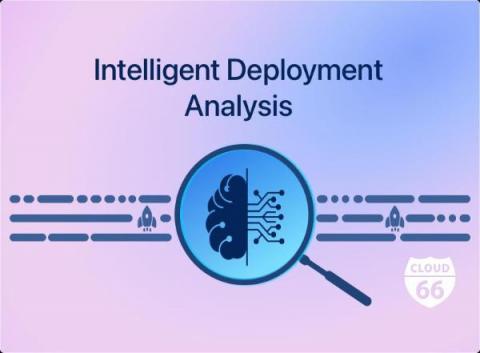
Today I am thrilled to introduce our Intelligent Deployment Analysis feature, designed to significantly improve your troubleshooting process. Picture this: you're stuck, scratching your head over what went wrong with your deployment - was it the Node.js asset compiler or a missing package in your Dockerfile?
18 million — that’s the number of developers around the world who use Docker, the popular tool for containerization. Docker Desktop, a software application for Mac, Windows, and Linux, is one of the most widely used tools within the Docker ecosystem, especially among developers who want to build, test, and deploy applications in containers on their local machines.
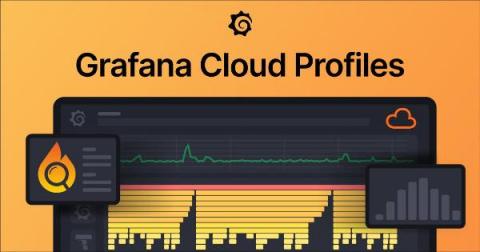
When we announced that Pyroscope was joining Grafana Labs back in March, we expressed our excitement that uniting the Pyroscope and Phlare open source projects and teams would accelerate our plan to add continuous profiling to Grafana Cloud. Just two and a half months later, that day has come! We are proud to announce that Grafana Cloud Profiles is now available in public preview for all Grafana Cloud users, both paid and free.
In my last blogpost I explained how our ipl-html lib works and how to use it. With the help of ipl-html it is possible to add forms. Usually we want to validate the data of the form before submitting it and display messages if the validation fails. For this purpose, we have introduced the ipl-validator. The ipl-validator includes many useful validators, and today I want to explain how you can easily use them.
Graphite is a very popular enterprise monitoring tool. This article will address the common issues that occur while setting up a Graphite instance, and how they can be avoided. We will assume readers have already become acquainted with Graphite, but if you’re interested to learn about the basics of Graphite, check out our articles on the Architecture and Concepts of Graphite and the Installation and Setup before reading this article.
It’s easy to get pulled into paying more and more at a major monitoring company, despite not getting the functionality that you’re looking for. Leaving your monitoring provider can be difficult because it means replacing expensive software or hardware, re-educating your team, and transferring huge amounts of data to a new system - data that may or may not be well suited to the new system. Despite these issues, there are many reasons that motivate users to move to open source.
As we continue to see rapid technological advancements, organizations must evolve and adapt to maintain a competitive edge. The principles of DevOps - collaboration, automation, continuous integration, and delivery - have emerged as critical success factors in this landscape, enabling organizations to navigate the ever-changing environment.