Operations | Monitoring | ITSM | DevOps | Cloud

Find the right person at the right time to fix the right issue with SCIM for Okta, Code Owners with GitHub, and more

If you know someone who actually likes managing work across projects, we’d love to meet this mythical being. Because we can’t imagine who enjoys hand-sifting through digital piles of notifications, prioritizing issues, then tracking down the right developer to assign the issue to. And once you’re done with that detective work, your engineer-of-the-hour may not even have access to the right tools to resolve the issue. Who’s got time for all this org chart spelunking?
UptimeRobot August 2021 Update: Configurable Timeout, support improvements and Plesk extension

We’ve been busy this summer and introduced two new features last month – longer intervals and a grace period for recurring jobs monitoring (Heartbeat monitors). There is some good news this month too, so let’s get right into it!

Authentication and Authorization for RESTful APIs: Steps to Getting Started

Why do APIs require authentication in the first place? Users don't always need keys for read-only APIs. However, most commercial APIs require permission via API keys or other ways. Users might make an unlimited number of API calls without needing to register if your API had no security. Allowing limitless requests would make it impossible to develop a business structure for your API. Furthermore, without authentication, it would be difficult to link requests to individual user data.

Avoid dropped logs due to out-of-order timestamps with a new Loki feature

Dropped log lines due to out-of-order timestamps can be a thing of the past! Allowing out-of-order writes has been one of the most-requested features for Loki, and we’re happy to announce that in the upcoming v2.4 release, the requirement to have log lines arrive in order by timestamp will be lifted. Simple configuration will allow out-of-order writes for Loki v2.4.

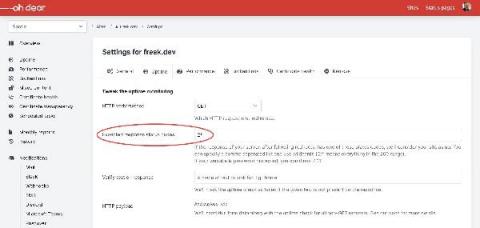
Monitoring password protected sites using Oh Dear

Keeping an eye on your site and sending you a notification when it goes down is one of the core features of Oh Dear. Under the hood, we'll send a request to your site and take a look if the response code is in the 200-299 range, which is the default response code range to indicate that everything is ok. Some of our users are monitoring password protected sites. In such cases, the web server might reply with status code 401 (unauthorised).

What Are JSON Web Tokens?

A JSON web token (JWT) is a URL-safe method of transferring claims between two parties. The JWT encodes the claims in JavaScript object notation and optionally provides space for a signature or full encryption. The JWT proposed standard has started to see wider adoption with frameworks like OAuth 2.0 and standards like OpenID connect leveraging JWTs.

Getting started with CPU attacks

The CPU attack is one of the most common attack types run by Gremlin users. CPU attacks let you consume CPU capacity on a host, container, Kubernetes resource, or service. This might sound like a trivial exercise, but consuming even small amounts of CPU can reveal unexpected behaviors on our systems. These behaviors can manifest as poor performance, unresponsiveness, or instability.