The unresolved cost of High Cardinality
Fulfill all your food delivery orders this December 31st by taming High Cardinality data 😉


Today marks an exciting milestone at Honeycomb, and we're thrilled to share it with you. We officially launched our integration with Microsoft Teams, a step forward in our continuous effort to streamline and enhance your observability experience. Teams now joins our growing list of over 100 Honeycomb integrations.
When your apps and infrastructure rely on dozens of third-party providers for key functionality, it’s important to closely track their outages. If a service you rely on goes down, you need to move quickly to limit the outage’s impact on your users. IsDown provides a detailed status page aggregator and uptime monitoring for all your third-party dependencies.
If you have large(r) customers, there is a point where they ask you for service-level agreements, or short SLAs. These are customer contracts defining different aspects of your service and what you guarantee for them. One common agreement is around availability, or, colloquially speaking, uptime. Your contract might state, and I am not a lawyer, that you guarantee that your service (or core parts of it) is available 99.99% of the time of a given period, mostly per month, quarter, or year.
I have spoken with many prospects and partners over the years and one of the more frequent questions I am asked is: “How do you build Custom Monitoring”. This is not an easy question to answer as there are so many variables at play, including: what type of device are you trying to monitor, what metrics are you looking for, what thresholds should trigger a warning or failure, etc.
Are Git tasks like rebasing your Git branch or cherry-picking commits causing you headaches? Sometimes, without the right know-how, version control can turn seemingly simple tasks into daunting challenges. And when you’re collaborating among a team, the stakes are even higher. In addition to potentially losing your own code, you can compromise the work of other developers.
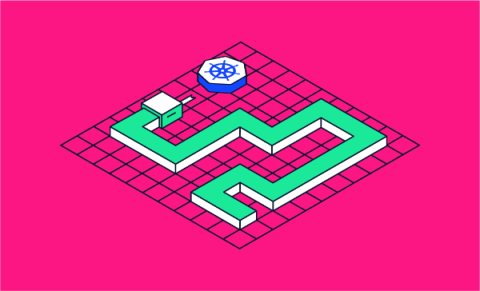
A powerful open-source container orchestration system, Kubernetes automates the deployment, scaling, and management of containerized applications. It’s a popular choice in the industry these days. Automating tasks like load balancing and rolling updates leads to faster deployments, improved fault tolerance, and better resource utilization, the hallmarks of a seamless and reliable software development lifecycle.
This recurring blog will look at specific ITOM technologies within the OpsRamp solution and general ITOM challenges. Got an idea for this blog or want to learn more about ITOM at OpsRamp?