Operations | Monitoring | ITSM | DevOps | Cloud

4 Important IT Automations Explained for Success in 2024

It’s safe to assume that planning ahead is everything to business leaders right now, as the start of 2024 is right around the corner. It’s a strategy-backed priority to get proactive and ahead of challenges that might be ahead of us. As IT’s role in driving business success continues to expand, putting automation to work inside of IT departments and functions today better positions organizations to reach goals and overcome future obstacles.

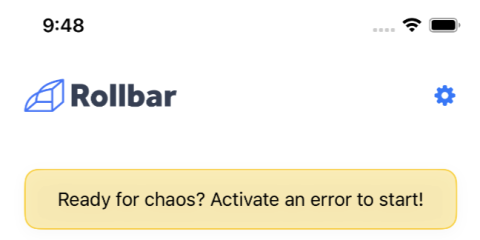
Mobile iOS Error Simulator

Ready to explore Rollbar without the coding hassle? The Rollbar Error Simulator iOS app is the ultimate solution for carefree error testing, designed for users without coding experience. Seamlessly connecting to your Rollbar account, this user-friendly app lets you simulate errors effortlessly with just a single tap on a button. No technical expertise is needed! Just create a new account, opt for the Error Simulator experience, and you'll be guided.

Configuration Drift: How It Happens, Top Sources + How to Stop It for Good

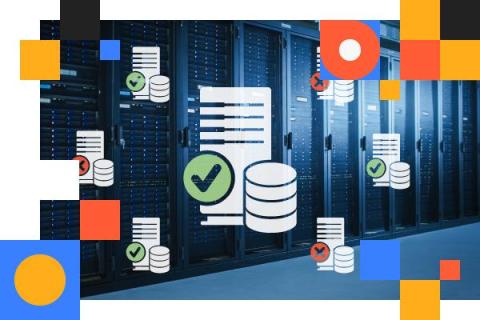
Bad news: Configuration drift is going to happen no matter what you do. It’s very easy to miss, caused by some innocuous mistake or patch and buried in paper trails that don’t exist. By the time you’ve found which configurations have drifted, it usually means something’s already going wrong. But here’s the good news: You and your precious configurations don’t have to take it lying down.

Saga Design System: shaping the future of user experiences at Grafana Labs

At Grafana Labs, we want to empower our fellow Grafanistas and the community to get the most out of the Grafana LGTM Stack (Loki for logs, Grafana for visualization, Tempo for traces, and Mimir for metrics). As part of this effort, we recently launched a new Grafana developer portal. And now, we’re pleased to announce the launch of the Saga Design System, which establishes a shared visual language for all of Grafana Labs’ offerings.

Performance optimization techniques in time series databases: strings interning

VictoriaMetrics is an open-source time-series database (TSDB) written in Go, and I’ve had the pleasure of working on it for the past couple of years. TSDBs have stringent performance requirements, and building VictoriaMetrics has taught me a thing or two about optimization. In this blog post, I’ll share some of the performance tips I’ve learned during my time at VictoriaMetrics.

Build and evaluate LLM-powered apps with LangChain and CircleCI

Generative AI has already shown its huge potential, but there are many applications that out-of-the-box large language model (LLM) solutions aren’t suitable for. These include enterprise-level applications like summarizing your own internal notes and answering questions about internal data and documents, as well as applications like running queries on your own data to equip the AI with known facts (reducing “hallucinations” and improving outcomes).

The Present and Future of Data Management Roles

In January 2015, I wrote about the future of professional database administrators (DBAs) in a three-part series of articles for Database Trends & Applications magazine. Back then I predicted we would see strong growth in DBA salaries because of the acute and persistent shortage of talent, very little means of training new DBAs, and a median age of DBAs creeping closer to retirement age with each passing year.

Elasticsearch and LangChain collaborate on production-ready RAG templates

For the past few months, we’ve been working closely with the LangChain team as they made progress on launching LangServe and LangChain Templates! LangChain Templates is a set of reference architectures to build production-ready generative AI applications. You can read more about the launch here.