Operations | Monitoring | ITSM | DevOps | Cloud

Let's break autovacuum in Postgres: reproducing failures to make it observable

Autovacuum is one of those Postgres background jobs that quietly keeps your database healthy. It cleans up the dead row versions that every UPDATE and DELETE leaves behind, and it keeps the database away from a hard transaction-ID limit that would take it offline. Most of the time you don't think about it, because it just works.

Stable IPs for DevOps Monitoring: A Guide to Proxy-Cheap Static Residential Proxies

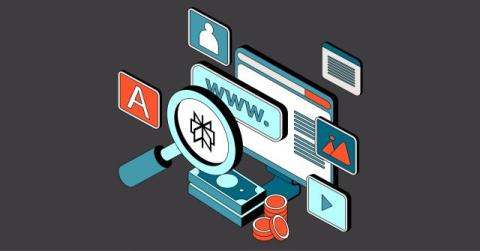
External monitoring is only useful if you can trust what it tells you. Synthetic checks, uptime probes, and content verifications all run from outside the perimeter, hitting public endpoints the way a real user would. When those checks return clean, honest results, teams catch problems early. When they return noise - false outages, phantom latency, blocked responses - the whole practice degrades into alert fatigue. And a common, under-appreciated source of that noise is the IP address the checks run from.

Have I Been Pwned vs. Coveron vs. Aura - Dark Web Monitoring Services Compared (2026)

Have I Been Pwned, Coveron, and Aura solve the same underlying problem in very different ways. Have I Been Pwned answers a one-time question for free, and the two paid services are built for continuous monitoring and recovery of individuals and households. Comparing them head-to-head only makes sense once you separate what a free breach checker does from what a paid identity service is for.

B2B payment ops for exporters and agencies

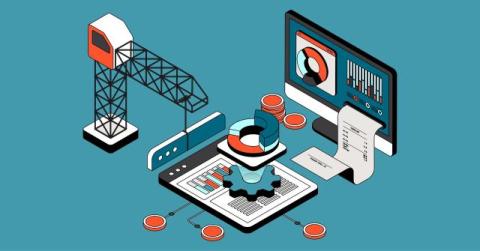
Exporters and agencies rarely deal with simple payments. A single project may involve several stakeholders, large invoices, international clients, different currencies, and long approval cycles. A delay at any point can influence the flow of cash and create extra manual work. A modern b2b payment gateway is only one part of the solution. Strong B2B payments depend on reliable payment operations and the right payment setup. This guide explains how to build a payment process that helps businesses get paid faster, reconcile invoices more easily, and minimise constant follow-ups.

How to Choose the Perfect Phone Case Without Compromising Style or Protection

Smartphones have become central to both our personal and professional lives. We use them to communicate, work, capture memories, navigate unfamiliar places, and manage daily tasks. With so much depending on a single device, protecting it is no longer just a precaution-it's a practical investment. At the same time, most people don't want a bulky case that hides the look and feel of their phone. The ideal phone case should offer dependable protection while reflecting your personal style and supporting the way you use your device every day.

How to Minimize Downtime During a Microsoft 365 Migration

Moving your organization's email, files, collaboration tools, and user accounts to Microsoft 365 is a major step toward a more flexible and secure workplace. Whether you're replacing an older email platform, merging companies, or reorganizing your IT environment, the migration process requires careful planning.

Build a Design Team or Hire an Agency? Here's How to Decide

There's no universal right answer here - only the right answer for where a company stands right now. Companies with a steady stream of design work and the budget to match tend to benefit from an in-house team. Companies facing a single big project, a tight timeline, or an unpredictable workload usually get more value from a web design agency. The decision comes down to three things: how much design work is actually coming, how fast it needs to happen, and how much control the business wants over the process.

How AI Tools Are Reshaping Knowledge Work

Knowledge work has always meant sitting with information, making sense of it, and turning it into something useful. That could be a report, a lesson plan, a research paper, or a business strategy. For a long time, this process depended almost entirely on human effort. You read, you took notes, you organized your thoughts, and slowly you built understanding. Today, that process looks different.

Why Low-Latency Monitoring Is Mission-Critical for Futures Trading Infrastructure

Futures trading has always been a game of speed, but over the last decade that game has changed entirely. What used to be measured in seconds is now measured in microseconds. Traders, exchanges, and the technology providers who support them are locked in a constant race to shave off every possible delay between an order being placed and it actually executing. In this environment, low-latency monitoring is not a luxury or a technical afterthought. It is a core part of how trading infrastructure stays reliable, competitive, and safe to operate.