Operations | Monitoring | ITSM | DevOps | Cloud

The Place Where Modern Operations & Technology Come Together



What Happens at Black Hat...
We look at these pictures together, okay? One time.

How to Configure a PXE Server - NInjaOne01
NinjaOne Field CTO Jeff Hunter demonstrates how to set up a PXE server, or Preboot Execution Environment server, by configuring Windows Deployment Services on a Windows server. This gives teams a way to boot into WinPE without requiring a USB drive, and works more efficiently at scale. Chapters.

AI SRE Agent Reads Your Notion Runbooks During an Incident: AURA
One integration token, one config file, no code. AURA routes the question to a runbook-reader worker, queries Notion, and answers from what your team wrote.

Homelab AI SRE Agent: AURA Debugs Container Permissions in Docker
A root cause is not a fix. AURA keeps working the problem, taking what you find on the host and coming back with the user ID mismatch behind the failure. What follows a root cause is normally manual: check the mount, compare ownership on the host against the user inside the container, and get it wrong at least once before it lands.
The window scanners miss in open source security
There's a risk window after a malicious package is published when nobody knows it's there. Scanners alone can't close that window.

Paste a Slack Bug Report into an AI SRE Agent: AURA Finds the Cause
A coworker says checkout is broken and nothing else. That is the whole prompt. AURA reads the live logs and comes back with the payment service. Normally a message like this is the start of guessing at a service and opening dashboards until something looks wrong. Here it is the entire input: no service named, no error string, no time range.

Live SQL Server quiz! | The Simple Talk Podcast
How well do the Redgate Advocates know SQL Server? Find out in this quick-fire quiz, recorded live with an audience at SQL Saturday Day of Data Baton Rouge on July 18th!
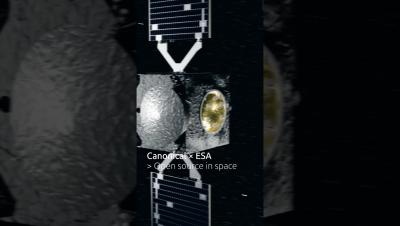
Open source for Europe's space missions
Every space mission begins long before launch day. Ideas become spacecraft. Thousands of decisions are made before a single engine ignites. The European Space Agency (ESA) knows what that journey looks like. As the agency prepares to increase the missions it supports by 2030, it is laying the groundwork for decades of future exploration. Working with Canonical, ESA is building a common platform for mission operations based on open source. Kubernetes, Ceph, PostgreSQL, and Kafka form ESA’s infrastructure foundation.

Pyroscope + Proxymock to Solve Performance Problems
This video provides a step-by-step demonstration of how to record an application's real-world traffic and generate an automated sandbox environment for debugging and testing.