Operations | Monitoring | ITSM | DevOps | Cloud


The latest News and Information on Monitoring for Websites, Applications, APIs, Infrastructure, and other technologies.


Identify & Resolve IT Infrastructure Incidents
Managing Azure Application Stack at Scale - OpsRamp Demo
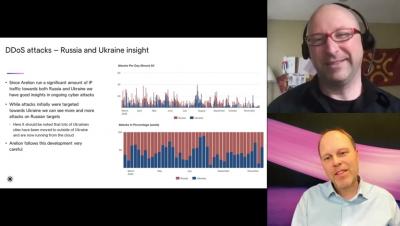
What Network Teams Need to Know to be Successful in 2023

Top 10 Wholesale B2B Marketplaces
Using an online B2B wholesale marketplace makes your sourcing faster and easier. You should also know that every bulk trading platform has its benefits and drawbacks. Therefore, you should go have an idea of how each website offers the best and choose the one that matches your requirements the most.
Lightrun Launches New .NET Production Troubleshooting Solution: Revolutionizing Runtime Debugging
Lightrun, the leading Developer Observability Platform for production environments, announced today that it has extended its support to include C# on its plugins for JetBrains Rider, VSCode, and VSCode.dev. With this new runtime support, .NET developers can troubleshoot their apps against.NET Framework 4.6.1+, .NET Core 2.0+, and.NET 5.0+ technologies.
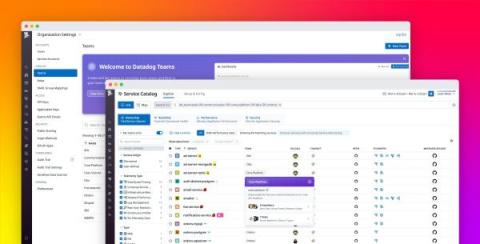
Streamline collaboration throughout your organization with Datadog Teams
As organizations evolve and their stacks become more complex, they need increasingly robust visibility into their cloud-based infrastructure, services, and applications. Meanwhile, teams within these organizations tend to become more specialized and siloed. As they multiply across offices and time zones, these teams must be enabled to collaborate flexibly without muddling their distinct day-to-day priorities.

Monitor your Linux web apps on Azure App Service with Datadog
Azure App Service is a fully managed platform-as-a-service (PaaS) solution for deploying web applications, event-driven functions, RESTful APIs, and more. Azure App Service enables developers to quickly build and release services that scale dynamically—without worrying about provisioning and maintaining infrastructure. Last year, we released the Datadog extension for Azure App Service for deep visibility into your Windows.NET applications.
How to deploy Prometheus on Kubernetes
This is a tutorial for deploying Prometheus on Kubernetes, including the configuration for remote storage on Metricfire. This tutorial uses a minikube cluster with one node, but these instructions should work for any Kubernetes cluster. Here's a video that walks through all the steps, or you can read the blog below. You can get onto our product using our free trial, and easily apply what you learned.