Operations | Monitoring | ITSM | DevOps | Cloud


The latest News and Information on Monitoring for Websites, Applications, APIs, Infrastructure, and other technologies.

Retrace Logging Benefits

DevOps vs. SRE

IBM-i Monitoring with the M81 Plugin

Device Groups in Dashboards
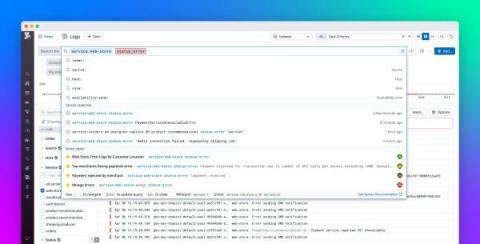
Search your logs efficiently with Datadog Log Management
In any type of organization and at any scale, logs are essential to a comprehensive monitoring stack. They provide granular, point-in-time insights into the health, security, and performance of your whole environment, making them critical for key workflows such as incident response, security investigations, auditing, and performance analysis. Many organizations generate millions (or even billions) of log events across their tech stack every day.
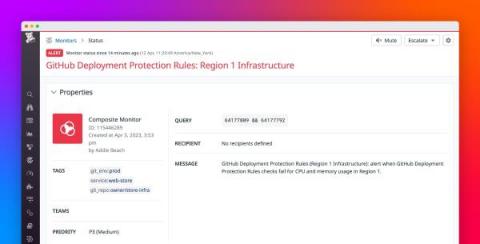
Use Datadog monitors as quality gates for GitHub Actions deployments
With the growing adoption of automated deployment tools, many organizations are releasing code more frequently. As releases increase, it’s important to ensure that you don’t accidentally introduce faulty deployments, which can have wide-ranging impacts on your infrastructure, application, and end-user experience, and can potentially lead to costly rollbacks.
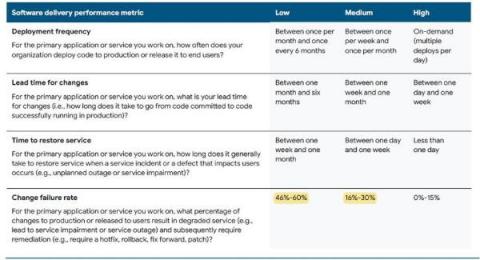
Revitalize Your Testing With Continuous Everything Practices to Meet DevOps Goals
Software testing has been an established discipline as old as software development itself. We have seen significant evolution of testing practices recently specially driven by Continuous Delivery and DevOps, where testing is increasingly integrated with agile development and other software lifecycle practices.
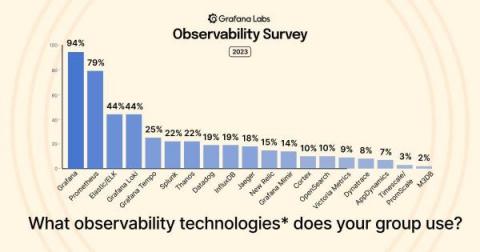
Observability overload: Insights into the rise of tools, data sources, and environments in use today
With countless observability tools, data sources, and environments to juggle, the organizations that deploy and manage today’s distributed applications often face an uphill battle to gain visibility into their application performance. That was a key takeaway from the Grafana Labs Observability Survey 2023, which incorporated input from more than 250 industry practitioners who are all too familiar with these complexities.
