Operations | Monitoring | ITSM | DevOps | Cloud

The latest News and Information on Monitoring for Websites, Applications, APIs, Infrastructure, and other technologies.

Bytecode transformations: The Android Gradle Plugin

This is the first part of a blog post series about bytecode transformations on Android. In this part we’ll cover different approaches to bytecode manipulation in Java as well as how to make it work with Android and the Android Gradle plugin. In the next two parts we’ll dive into the actual bytecode, bytecode instructions and how we can modify the bytecode and inject our own instructions, using Room as an example.

How to Measure Network Latency | Obkio

Latency is one of the core network metrics that you should be measuring when monitoring your network performance. Latency refers to the round-trip measure of time it takes for data to reach its destination across a network. Consistent delays or odd spikes in time when measuring latency are signs of major performance issues in your network. The most accurate way to measure Latency is by using a Network Monitoring Software, like Obkio.

Splunk AR - What's new .conf 2021

Want to deploy Splunk AR out in the field? Splunk AR is a powerful application that allows field workers to quickly gain valuable insights from assets in your deployment. With Splunk data supporting them, field workers can take action. In addition, we’ve built a powerful admin suite to support making an AR experience seamless and manageable. In this video, we talk about all the new capabilities we’ve built in 2021 for Splunk AR and how your company can take advantage of it.

Get Started with the Public Beta for Unified Dashboards

During Logz.io’s ScaleUp 2021 user conference, we announced that Unified Dashboards were coming to you soon. And now it’s finally here for anyone to try during the Public Beta. Unified Dashboards will allow Logz.io customers to analyze and filter their logs, metrics, and traces side-by-side on a single monitoring dashboard. Check out our recent blog to learn about why we built Unified Dashboards and the value they bring to customers.

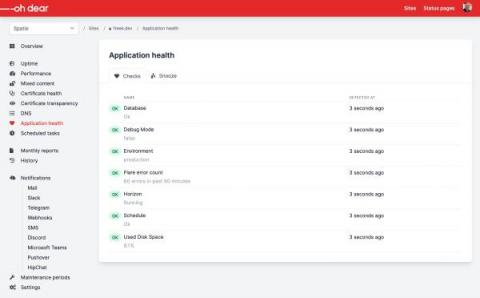
You can now monitor the health of your application and server

We're proud to announce that we have added a major new feature to Oh Dear: Application Health monitoring. Using Oh Dear, you can now monitor various aspects of your application and server. This way, you could get alerts when: You can monitor any aspect of your app that you want.

The 5 Biggest Internet Of Things (IoT) Trends In 2022

The Internet of Things (IoT) is a term that describes the increasingly sophisticated ecosystems of online, connected devices we share our world with. The slightly odd name refers to the fact that the first iteration of the internet was simply a network of connected computers. As the internet grew, phones, office equipment like printers and scanners, and industrial machinery were added to the internet.

What is the Log4j 2 Vulnerability?

Over the last few days, there have been a tremendous amount of posts about the Log4j 2 vulnerability, with Wired going so far as claiming that, “the internet is on fire.” Tl;dr: LogDNA is not exposed to risk from the Log4Shell vulnerability in Log4j 2 at this time. If that’s all you came for, you can stop reading here. If you want to learn more about the vulnerability and how LogDNA protects you from risks like these, grab a cup of coffee and read on.

TL;DR InfluxDB Tech Tips: IoT Data from the Edge to Cloud with Flux

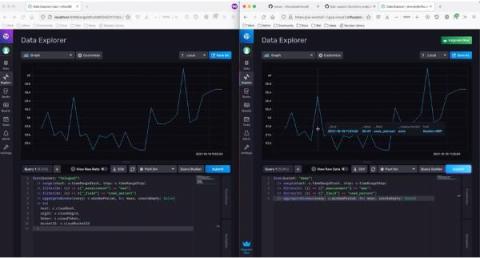
When it comes to writing data to InfluxDB, you have a lot of options. You can: The last bullet is the most powerful and flexible way of maintaining and managing your fleet of IoT devices. That architecture offers you several advantages including: Architecture drawing of the last bullet. Sensors write data to an OSS instance of InfluxDB at the edge which in turn write data to InfluxDB Cloud.

The Future-Proof Experience Framework w/ Tech Mahindra

Time is a luxury that IT workers don’t often have – and that’s particularly true after the massive upheaval all of our businesses have experienced since the pandemic. Ever since the working model changed overnight and digital transformation accelerated to warp speed, IT teams have had to implement new initiatives quickly in order to keep up. But how can they know that these initiatives have been successful?