The latest News and Information on Monitoring for Websites, Applications, APIs, Infrastructure, and other technologies.
Integration is now the #1 IT expense category at many enterprises and new complexities increase the burden on Service Delivery, CI/CD, IBM MQ administration, and other “integration professionals” every day. Your enterprise has Microservices, Mobile, Mainframes, Cloud, and more applications and application updates than you can count and it takes the routing of transactions, messages and more through a rapidly growing integration infrastructure layer to make it all work together.
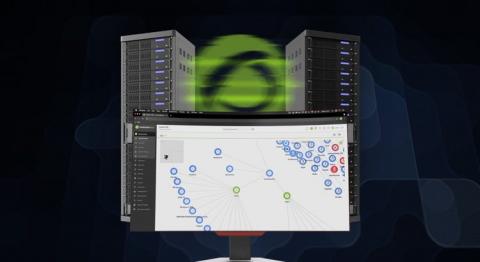
On the way to perfecting its services, Pandora FMS launches one of the most advanced and complete solutions in its history as monitoring software: Monitoring as a Service (MaaS). As we all know by now, Pandora FMS is a software for network monitoring that, among many other possibilities, allows visually monitoring the status and performance of several parameters from different operating systems (servers, applications, hardware systems, firewalls, proxies, databases, web servers, routers…).
“It’s not rocket science.” In the past, we’ve all heard that statement made. Quite often, it’s applicable. It’s true we can overthink or unnecessarily overcomplicate matters. Don’t tell that to someone who’s responsible for network performance and continuity today, however.
Relational databases are by far the most common type of database, and as software developers it’s safe to say that they are the kind of database most of us got started on, and probably still use on a regular basis. And one thing that they all have in common is the way they structure data. InfluxDB, however, structures data a little bit differently.