Keep your configs in good order with sensuctl prune
We’re excited to share our first-ever alpha feature: sensuctl prune, which will help you easily (and safely!) remove resources you no longer need.


The latest News and Information on Monitoring for Websites, Applications, APIs, Infrastructure, and other technologies.
We’re excited to share our first-ever alpha feature: sensuctl prune, which will help you easily (and safely!) remove resources you no longer need.
While the recent pandemic has removed much of the traffic from the roads, it has led to an unusual increase in traffic on the internet. Online services are reporting a huge increase in the number of visitors and requests, making it tough to keep up with seamless service delivery. While service providers and experts say the internet can hold up for now, organizations are already implementing measures to prevent network congestion and interruptions in service during the continuing pandemic.
With a service designed to help remote teams run more efficiently, Tability’s success relies on application reliability and deliverability to help its users keep complicated projects on schedule. This is why Tability has relied on Sentry error monitoring to identify issues in code and scale development work efficiently.
Historically, the monitoring landscape has been a mess; today, it still is. It’s even worse given how software architectures have changed with all of the cloud-native principles. As “techies”, we need to do something about this. Otherwise, we’ll remain chained up by an inability to properly observe our own platforms and applications.
This blog post will pit Grafana vs Graphite against each other, two of the most popular observability tools on the market today. R&D organizations typically implement a wide technology stack. They include varying services, systems, or tools to support their production and development environments. Most, if not all, of these companies have SLAs requiring R&D to provide high availability solutions and the ability to respond to incidents in real time.
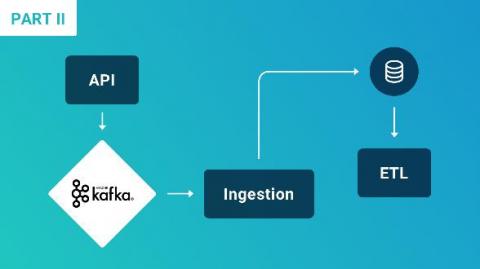
April 7th, 2020 • By Jon de Andrés Frías In the first part of our series of blog posts on how we remove technical debt using Apache Kafka at Rollbar, we covered some important topics such as: In the second part of the series, we’ll give an overview of how our Kafka consumer works, how we monitor it, and which deployment and release process we followed so we could replace an old system without any downtime.