Operations | Monitoring | ITSM | DevOps | Cloud


The latest News and Information on Monitoring for Websites, Applications, APIs, Infrastructure, and other technologies.
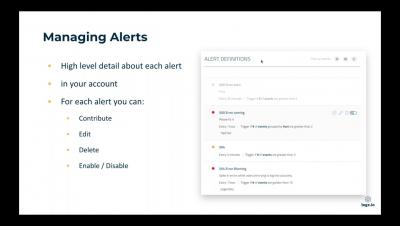

Best Practices for Monitoring How to Combat Alert Fatigue

10 Ways to Simplify Cloud Monitoring
Is monitoring in the cloud special enough to warrant a list of tips and best practices? We think so. On the one hand, monitoring in the cloud might seem easy since there is a large number of solutions to choose from. On the other hand, though, the dynamic and distributed nature of the cloud can make the process much more challenging. In this article, we’ll cover ten tips and best practices that will help you ace your cloud monitoring game.
How and why we're bringing long-term storage to Netdata
We’ve built a lot of amazing things into the open-source Netdata monitoring system. But, no matter how far we’ve come, we’ll always be proud of how little RAM it uses. Right now, Netdata stores metrics in your system’s RAM using a ridiculously efficient database. It only saves or loads historical metrics from disk when you restart it. With this system, Netdata can be both low-resource and exhaustive in its collection of real-time metrics.
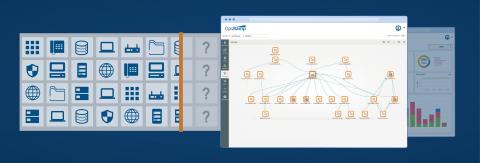
Gain Real-Time Insights for Hybrid Infrastructure with the OpsRamp Gateway
The 2019 RightScale State of Cloud report shows that 45% of IT leaders voted for hybrid infrastructure as their top operational priority (public cloud comes second at 31%). With enterprises expected to use a combination of legacy and modern infrastructure for the foreseeable future, how do digital operations teams drive greater availability and proactive system performance for mission-critical services running on hybrid architectures?

NiCE Active O365 Management Pack Customer Reference
Global Stock Market Analysis Provider ties-in Office 365 monitoring for their cross-continental teams through advanced NiCE monitoring solutions.
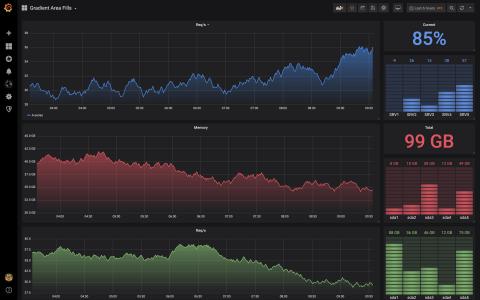
Grafana v6.3 Released
It’s finally time for a new Grafana release again. Grafana 6.3 includes improvements to Explore, a new Time Picker, and a new Graph display option with gradients. There’s also new and improved Authentication options for Enterprise.

Sentry for Good: Code for America and Digital-Age Food Stamps
Welcome to our Sentry for Good blog post series, where we share the stories of organizations making a difference in the world while also positively influencing the broader developer ecosystem. In this post, we highlight Sentry customer and non-profit Code for America.