Operations | Monitoring | ITSM | DevOps | Cloud

The latest News and Information on Service Center Operations Manager and related technologies.

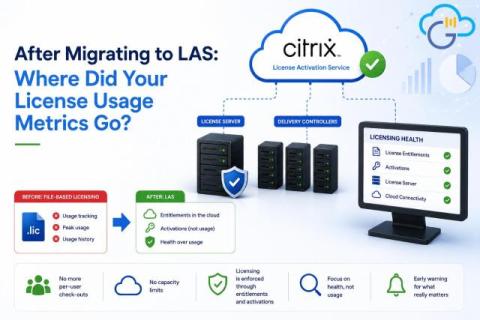
Notes from the Field: XenServer falling back to file-based licensing when using LAS

Citrix has been transitioning products toward License Access Service (LAS) as the modern licensing method. Unlike traditional file-based licensing, LAS introduces service-based communication between products and the Citrix License Server. As of 15 April 2026, LAS becomes the mandatory licensing method for supported products. Environments still relying on file-based licensing will need to transition before that date.
Sponsored Post

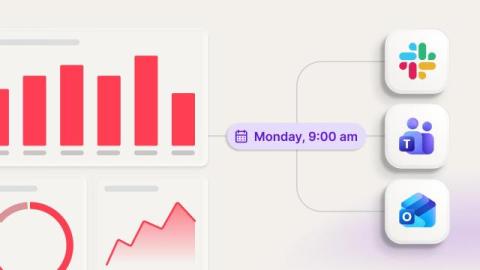
Forwarding Microsoft SCOM Alerts to the Service Desk

Modern IT operations rely heavily on monitoring solutions like System Center Operations Manager (SCOM) to detect issues across servers, applications, and services. While SCOM excels at generating alerts, organizations often struggle to ensure these alerts translate into actionable incidents in their IT Service Management (ITSM) platforms. Without proper integration, critical alerts may be missed, tickets may be created manually, and incident resolution can be delayed.

16 new integrations - powered by AIready Low Code Plugins

Today marks a big milestone in our mission to bring more data, more context, and more visibility into a single, unified view. We’re excited to announce 16 brand‑new integrations, extending the range of data sources you can connect with just a few clicks. But the integrations themselves are only half the story.

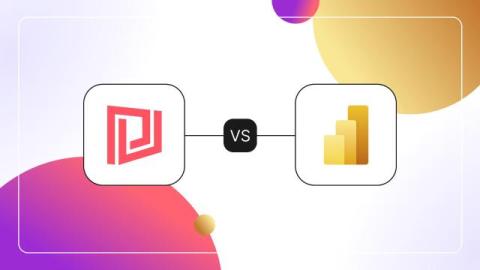
Dashboarding Azure: SquaredUp vs Grafana

If you’re looking for a dashboarding solution today, chances are you’ve looked at Grafana or SquaredUp — or both. Grafana is a popular open source dashboarding tool with on-prem and cloud variants, while SquaredUp is the SaaS, cloud-based unified dashboarding solution. Both offer a comprehensive list of data sources that they can plug into and build dashboards. As such, they both also offer an integration with Azure - which is the focus of our discussion today.

A new perspective on dashboard sprawl

Dashboards are supposed to answer questions, not create more of them. But investigations don't stop at a single view. The moment you want to understand one specific thing in detail like a failing VM, a degraded service, a slow pipeline, dashboards start to break down. You end up either building yet another dashboard or searching through many different ones. SquaredUp's Perspectives changes this.

Dashboard organization isn't about folders - it's about visibility

Having well-organized dashboards is just as important as having good dashboards. But dashboard organization shouldn’t just make things easy to find. It should provide structure that supports collaboration and efficient troubleshooting. It has to be more than a basic folder system. This post looks at how classic dashboarding tools handle organization today, where they fall short, and how SquaredUp Workspaces organize for visibility and shared context.

Notes from the Field: Ivanti Workspace Control blocking user logoff on Windows Server 2025

As part of our day-to-day consulting work at GripMatix, we spend a significant amount of time in various customer environments where we are designing, validating, and troubleshooting EUC platforms. This particular issue surfaced during work for one of our customers, where we were validating Ivanti Workspace Control (IWC) on a new Windows Server 2025 environment.

Getting Started with Splunk Dashboards

Splunk is a leading platform for searching, monitoring, and analyzing logs across IT tools and systems. Well-known for its ability to handle vast volumes of log and event data, Splunk empowers organizations to gain real-time visibility into their systems and operations. However, while Splunk offers rich telemetry and analytics, its dashboards can sometimes become complex - making it difficult to surface the most critical insights quickly. That’s where SquaredUp can elevate the experience.
Sponsored Post

Monitoring MongoDB

As enterprises increasingly rely on MongoDB to power modern applications, ensuring the database's performance, availability, and reliability has become critical. MongoDB's distributed architecture and dynamic workloads provide flexibility and scalability, but they also introduce monitoring challenges that can impact application performance and business continuity.