Operations | Monitoring | ITSM | DevOps | Cloud

The latest News and Information on CyberSecurity for Applications, Services and Infrastructure, and related technologies.

Highlight Critical Security Attacks with Logz.io's New Alerts Correlation

The ever-evolving cloud-native landscape creates constantly changing attack surfaces. As a result, teams implement a whole suite of security tools to identify large varieties of vulnerabilities and attacks, as well as monitor more logs than ever to find malicious activity. But monitoring so much information can cause a barrage of notifications and alerts. Even if you’re identifying real security threats, it can be impossible to know where to start and where to focus.

How ITIL 4 Guiding Principles Can Boost Communication in Our WFH Reality

ITIL has established itself as the gold standard of guidelines for service management over the years. And with so many employees working remotely this year as a result of the COVID-19 pandemic, the best practices and guiding principles of ITIL 4 are arguably more applicable than ever. The sudden shift to remote work for many organizations has forced teams to increasingly rely on technology and find new ways to convey important messages.

Use Active Directory Monitoring to Protect Remote Active Directory Logins

Active Directory (AD) is a process service that is used in Microsoft® Windows-based environments. It is responsible for authenticating users when they connect to servers and for authorizing access to different directories, files, and data. AD is also responsible for carrying out security protocols on all connected devices and computers. For example, there is a policy in place where, after three login attempts, a user’s account is locked.

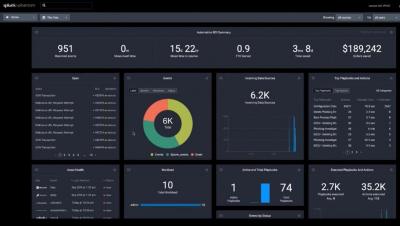
Better Detections and Cloud Coverage with Splunk Enterprise Security 6.4

Security teams are in a difficult position: they continue wrestling with persistent problems, such as overwhelming alert volumes and staff shortages, while confronting new ones driven by the abrupt shift to remote work. For instance, attaining real-time, deep visibility into cloud environments may have been on SOC roadmaps before 2020, but the capability is now a pressing need.

Why Cybersecurity Depends on the CDM Integration Layer

When you take a close look at the Continuous Diagnostics and Mitigation (CDM) function at the heart of a successful cybersecurity program, you quickly realize that it all depends on integration. It isn’t that the individual components of the program aren’t absolutely essential. But with cyber-attacks gaining in number and sophistication, the true power of CDM is in the ability to overlay multiple datasets to create a single lens for tracking, assessing, and responding to threats.