Operations | Monitoring | ITSM | DevOps | Cloud

The latest News and Information on CyberSecurity for Applications, Services and Infrastructure, and related technologies.

Help Your IT Staff Identify Security Breaches with a Cybersecurity Training Plan

In today’s digital age, having secure data solutions is essential for improving data loss prevention. Part of this solution should also include a cybersecurity training plan for your IT staff. Many companies make the mistake of pricing the tools to help prevent data breaches but never take the time to ensure their employees are properly trained on these applications.

Mind the Permission Gap

A few weeks ago, researching another topic, I posed a question - Which domain within the security ecosystem has struggled to move the needle over the past few years? After trawling through a multitude of annual breach analysts reports (Verizon Breach Report, M-Trends, et al., I concluded that “identities accessing cloud infrastructure” was an irritatingly tough nut to crack.

Turning Data into Proactive Security

With cloud computing growing at a phenomenal rate across the world, shifts in consumer behavior towards digital services are resulting in evolutionary changes for the banking, financial services and insurance industry. Cloud-based banking, for example, is regarded as a catalyst for business transformation and a turning point in financial services. Cyber safety, however, has become a key concern holding back cloud adoption in many organizations.

Alert AA20-302A: Federal agencies warn about ransomware attacks targeting hospitals

A cybersecurity bulletin was released by the Federal Bureau of Investigation (FBI), the Cybersecurity and Infrastructure Security Agency (CISA), and the Department of Health and Human Services (HHS) on October 28, 2020. The three agencies have issued a high-level warning about an increased, imminent threat of ransomware attacks in the healthcare sector. The cybercriminal group behind the TrickBot, Ryuk, and BazarLoader malware is now targeting U.S. hospitals and healthcare providers.

Security Monitoring: 10 things you need to check right now

One of the most crucial aspects of network monitoring is security monitoring. Security breaches are more common now than ever before. The whole integrity of your network is at stake if even one node gets attacked. This is why it’s vital that businesses rely on a central network security software that continuously monitors the effectiveness of the security measures in place. Having network security tools is just a small part of the bigger picture.

How to monitor coreDNS

The most common problems and outages in a Kubernetes cluster come from coreDNS, so learning how to monitor coreDNS is crucial. Imagine that your frontend application suddenly goes down. After some time investigating, you discover it’s not resolving the backend endpoint because the DNS keeps returning 500 error codes. The sooner you can get to this conclusion, the faster you can recover your application.

What Is IT Asset Management?

Depending on the business, there’s a myriad of IT assets to keep track of and doing it manually can be taxing. An IT asset management system allows IT pros to monitor all the hardware and software introduced into the business and when those assets exit. When a service desk has details on each IT asset, where it resides, and its owner, IT pros can provide continuity of service and better manage service costs. IT assets can be physical, digital, software, and in the cloud.

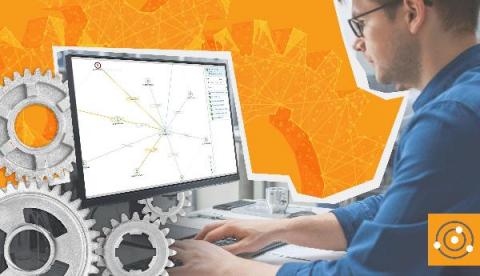
Tackling your network security challenges using ManageEngine ITOM solutions

Network security management typically entails end-to-end management of the entire network security infrastructure of an enterprise. However, in this rapidly changing security ecosystem, there’s an inherent need for IT admins to be extremely agile to maintain an effective security posture.

Five Steps to Developing an Application Modernization Strategy

Supporting legacy applications is problematic for several reasons. These aging systems are becoming increasingly obsolete and difficult to maintain. They use outdated software languages and unsupported hardware parts—some as much as 50 years old. As they age, they introduce cybersecurity risk and are less effective at accomplishing their intended purpose. While achieving application modernization isn’t without its challenges, the benefits are considerable.