Foundations: What Is Dynamic Configuration?
What is dynamic configuration and what can you accomplish by adding it to your CircleCI configuration?


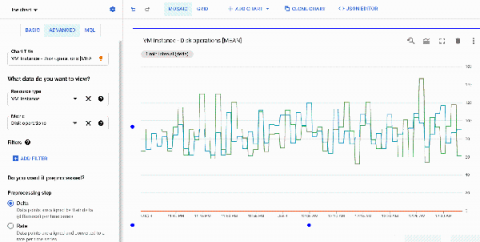
More than two years ago, the Google team began collaborating with Grafana Labs to build a data source plugin for Google Cloud Monitoring (then known as Stackdriver). Today, Grafana ships with built-in support for Google Cloud Monitoring, allowing users to add it as a data source and quickly get started building dashboards for Google Cloud Monitoring metrics. We’ve continued to make improvements on the plugin, and we’ll share in this blog post a few new features we’ve built.
When you are on the lookout for a hosting plan or web hosting solution for your websites, you must choose a hosting solution that matches your website’s needs and requirements. The hosting plan you choose must provide the required storage space, bandwidth, and other resources that easily accommodate your website’s traffic without any performance lag or other issues.
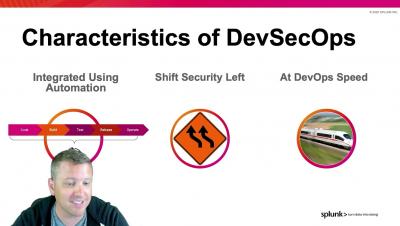
Get started with Gremlin's Chaos Engineering tools to safely, securely, and simply inject failure into your systems to find weaknesses before they cause customer-facing issues. Up until the early 2000s, developers and Ops (at the time IT) had separate and often competing objectives, separate department leadership, separate key performance indicators by which they were judged, and often worked on separate floors or even separate buildings.
Once upon a time, the prospect of an organization letting another organization manage its IT infrastructure seemed either inconceivable or incredibly dangerous. It was like someone handing their house keys to a stranger. Times have changed. Remote Infrastructure Management (RIM) — when Company X lets Company Y, or a piece of software, monitor and manage its infrastructure from a remote location — has become the standard in some industries.