Operations | Monitoring | ITSM | DevOps | Cloud

Top 10 Characteristics of an Enterprise-Class IT Application and Infrastructure Monitoring Tool

‘Enterprise class’ is a buzzword that refers to applications that are designed to be robust, flexible, and scalable for deployment by a large organization. There are no firm standards for what makes an application or platform enterprise class, but enterprise-class applications are generally: When any product is developed, there are assumptions made. These assumptions dictate how widely the tool can be deployed and what constraints it has during usage.

Ringing In the New Year With Splunk and Microsoft: Three New Integrations

Like champagne and party hats, Splunk and Microsoft just go together. Here at Splunk, one of our New Year’s resolutions is to continue to empower our customers with data — in this case, Microsoft data. From cloud, to security, to troubleshooting, we’re back with the latest round of new integrations designed to help you do more with Splunk and Microsoft.

A Gem of an Update: Performance Monitoring for Ruby

In order to continuously improve your Ruby application, you need to understand everything your code touches. That means visibility into how your frontend responds to the database queries that are central to your Ruby application. Sentry’s new Ruby SDK collects and monitors the data surrounding your traces, logs, and key metrics. With it, you now have the context to connect backend issues to frontend performance.

How to Set up an Integration with Slack

In this week’s tech tip, we are going to show you how to set up an integration with the instant messaging and collaboration app, Slack. These days, collaboration tools like Slack and Microsoft Teams are indispensable to the distributed workforce. In addition to being an instant messaging system that lets you bypass email, Slack has lots of add-ins for other workplace tools.

Leading Video Conferencing Platforms Unveil New Waves of Integrations

Over the past year, many organizations have stagnated or struggled as a result of the global pandemic. Other businesses, specifically those who benefit from the widespread shift to remote work, have achieved unprecedented growth—none more so than video conferencing providers. Now, platforms like Microsoft Teams and Zoom are introducing new features that position them to become much more than video communication tools.

PagerTree Forms Integration

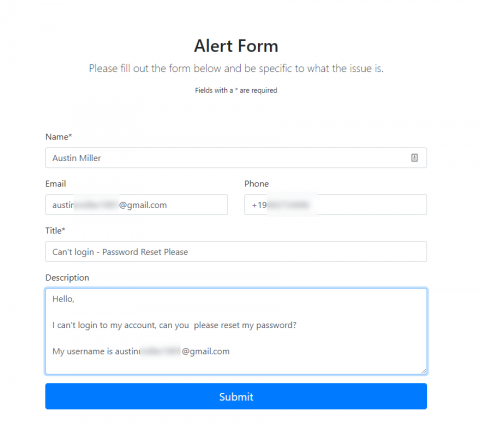
Today, we are excited to announce a new integration - PagerTree Forms! PagerTree Forms are simple (PagerTree hosted) forms that can be made public so your customers can quickly create an alert outside the PagerTree ecosystem. PagerTree Forms also support custom CNAMES so you can host them on your own domain (ex: https://support.example.com). The CNAME option is secured via HTTPS using self signed Let’s Encrypt certificates.

Netdata and StackPulse: Per-second metrics meet automated remediation

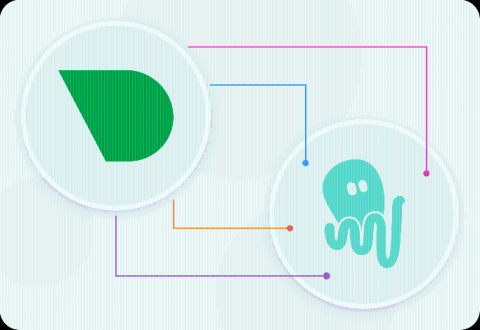
Teams of all types use Netdata to monitor the health of their nodes with preconfigured alarms and real-time interactive visualizations, and when incidents happen, they troubleshoot issues with thousands of per-second metrics on Netdata Cloud. But based on the complexity of the team and the infrastructure they monitor, some parts of their incident management, such as pre-planned communication and escalation processes, or even automated remediation, need to happen outside of the Netdata ecosystem.