Operations | Monitoring | ITSM | DevOps | Cloud

4 Hurdles of Multi-Repo Management (and How to Solve Them)

First, let’s break down the differences between mono and multi-repo setups. Mono-repos are exactly what they sound like – singular repositories that hold everything in one place. Multi-repos, however, can scatter the landscape, resulting in separate repos that are all still part of the larger ecosystem. While this approach offers flexibility, it can also make projects way harder to manage.

Network Monitoring Tools Explained

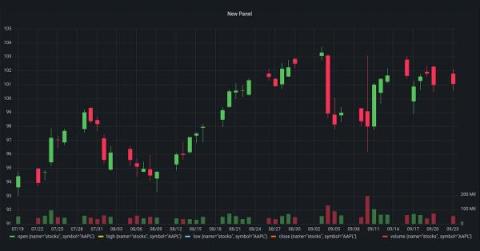
Ensuring the reliability and performance of your network is essential for success in the modern software industry. In this article, you’ll learn about the basics of network monitoring and get an overview of some of the most popular tools used for network monitoring. Whether you’re managing a sprawling enterprise network or your home lab, understanding and deploying the right tools can mean the difference between smooth sailing and unforeseen downtime.

Docker Monitoring with ELK Stack

Dockers are containerization platforms where you can store multitudes of data in a single package ( by dividing them into different containers). Since these are high-volume entities, managing and monitoring them should be a top priority. I’ll tell you why. Because when it grows out of our capabilities, we won't be able to control any errors popping up in it. So, as the saying goes, prevention is better than cure.

Open Source Compliance: Tools, Software + How Configuration Management Streamlines Compliance in OSS Technologies

Security and compliance are important in any organization. And most organizations use open source software (OSS) somewhere in their application stack. Open source compliance keeps OSS technologies secure by making sure they’re used in a way that aligns with security best practices, internal policies, and regulatory expectations.

Are Your Automations Doing Enough? 3 Signs Your Automation Strategy Falls Short

Are your task automations requiring too much manual intervention? Today, task automations help IT solve issues by automatically executing tasks or processes. With task automations today, each step needs to be manually run, checked, and depending on the outcome, followed up by another action. While this kind of automation can streamline operations and improve efficiency, it fails to address more complex issues. That’s where an orchestration engine, like Nexthink Flow, comes in. With orchestration.

How Complyt is using Datadog APM and distributed tracing to reduce application response times

Learn how Complyt is using Datadog Application Performance Monitoring (APM) and distributed tracing to turn data into knowledge and reduce application response times by more than 80%, which enabled them to meet SLAs for their largest customers.