As businesses make their transition to the cloud, administrators find themselves with the task of migrating their on-premises Exchange environments to Exchange Online. This migration journey includes multiple challenges, like preserving data integrity, addressing security concerns, ensuring minimal downtime, and delivering seamless user experiences.
Unlocking the full potential of observability and tracing in modern software ecosystems has become imperative for businesses striving to deliver improved reliability and user experience. In this comprehensive roundup, we will dive into the world of Jaeger-incorporated observability and tracing dashboards, offering a curated selection of the best use cases that empower DevOps teams, engineers, and developers to gain unparalleled insights into the inner workings of their applications.
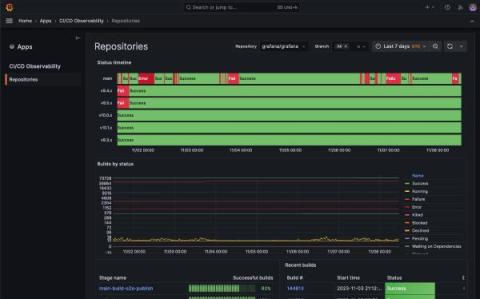
Observability isn’t just about watching for errors or monitoring for basic health signals. Instead, it goes deeper so you can understand the “why” behind the behaviors within your system. CI/CD observability plays a key part in that. It’s about gaining an in-depth view of the entire pipeline of your continuous integration and deployment systems — looking at every code check-in, every test, every build, and every deployment.
As engineers, we didn't want to make Signals only a replacement for what the existing incumbents do today. We've had our own gripes for years about the information architecture many old companies still force you to implement today. You should be able to send us any signal from any data source and create an alert based on some conditions. We're no strangers to building features that include conditional logic, but we upped the ante when it came to Signals.
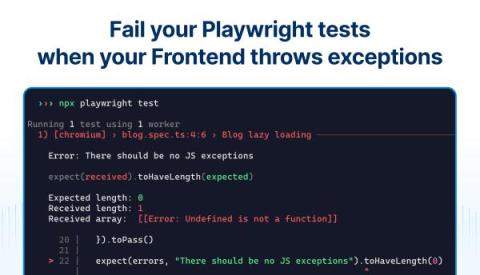
Table of contents Frankly, end-to-end testing and synthetic monitoring are challenging in today’s JavaScript-heavy world. There’s so much asynchronous JavaScript code running in modern applications that getting tests stable can be a real headscratcher. That’s why many teams rely on testing mission-critical features and treat “testing the rest” as a nice to have. It’s a typical cost-effort decision.