This post is part 1 of a 3-part series about monitoring MongoDB performance with the WiredTiger storage engine. Part 2 explains the different ways to collect MongoDB metrics, and Part 3 details how to monitor its performance with Datadog. If you are using the MMAPv1 storage engine, visit the companion article “Monitoring MongoDB performance metrics (MMAP)”.
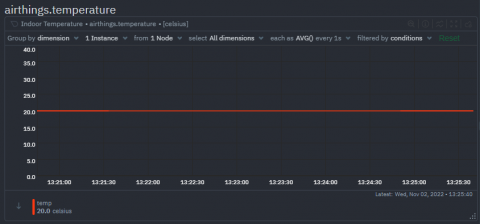
Monitoring indoor air quality with Airthings and Netdata. Understanding and measuring common contaminants and pollutants reduces your risk of air quality health concerns.
We eat lots of our own dog food at MetricFire, monitoring our services with a dedicated cluster running the same software. This has worked out really well for us over the years: as our own customer, we quickly spot issues in our various ingestion, storage, and rendering services. It also drives the service status transparency our customers love. Our customers include large multinational coffee brewers, game companies, and other data science/SaaS companies.
An incident can take many forms. It can look like a small issue that locks a few customers out of their accounts or a huge catastrophe that brings down your entire product for a full day. How you respond to the incident should vary based on the impact of the incident. And that’s where severity comes into play. Defined severity levels are crucial to any good incident management program.
Prior to joining N-able, I worked for MSPs that supported clients all over the island of Ireland. That career in IT started back in the last millennium (yes, I’m that old), when reactive support often meant hopping into the car and driving to a customer to resolve their issues in person and on some rare occasions jumping on a flight if the situation was that urgent.