Operations | Monitoring | ITSM | DevOps | Cloud

Introducing server 3.x: enterprise-focused Kubernetes for self-hosted CircleCI installations

Server 3.x, which is now available to all CircleCI customers, was designed to meet the strictest security, compliance, and regulatory restraints. This self-hosted solution can scale under heavy workloads, all within your team’s Kubernetes cluster on your private network, but with the dynamically scaling cloud experience of CircleCI. Offering an exceptional on-premise service means keeping that service up-to-date with the latest releases.

Scaling my application: am I ready?

Most applications begin with a small to medium-sized user base. Even with migration projects, you would not immediately open your new application to the entire existing user base. Instead, you would first test with some internal users, then open up to early adopters. Nevertheless, if your application is successful, at some point you will face the need to scale it. Nevertheless, if your application is successful, at some point you will face the need to scale it.

Skipping artifact downloads in Bitbucket Pipelines

Allowing steps to skip downloading artifacts has been a highly requested feature from our customers. You can now disable artifact downloading on certain steps that do not require any artifacts, which will allow faster builds and can reduce your costs as a result. Disabling artifact downloads during a step is as easy as switching off a flag. Note that these steps can still produce artifacts to pass down to future steps.

Syniverse Improves Operational Efficiency and Consistently Meets SLAs with Automation

Mobile communications is a tough market to compete in. Mobile network operators (MNOs) are always slashing prices, offering promotions and doing whatever it takes to gain market share. Third-party service providers are often caught in the middle. Just ask the team at Syniverse, a major provider of number porting services in the U.S.

Shared Services Model - How Does It Work?

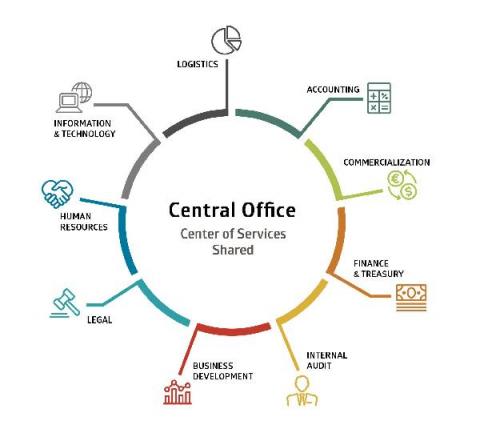
The shared services model can transform business processes and smooth out the rough edges in your operational model. Have you been looking for ways to centralize your operations? We recommend that you consider the shared services model. Through the use of standardized technology, various units in an organization can access the same services. In this article, we are going to be providing everything you need to know about the shared services model.

Aggregating Application Logs From EKS on Fargate

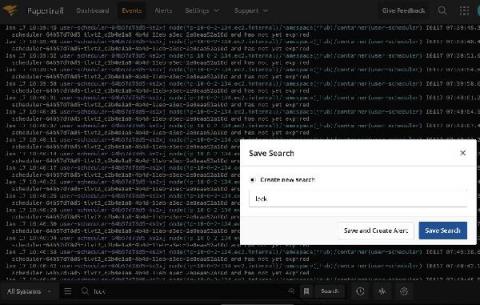
Today we’re going to talk about logging with Kubernetes on AWS using CloudWatch and SolarWinds® Papertrail™. We’ll cover setting up Papertrail, installing and configuring the rKubeLog package, viewing the logs in the Papertrail event viewer, and cross-checking those logs with the ones we see with kubectl. From there, we’ll set up a few different alerts.

What Does Server Monitoring Mean in 2021? A Look at Modern Server Options and How to Monitor Them

A few years ago, monitoring was simple. We had all our servers somewhere in the data center; we just had to install a monitoring tool and gather all the data from every server. Things changed when we started moving to the cloud and then to containers. Today, we often need to monitor a variety of different sources. A “server” can be a physical machine, virtual machine, container, or even a serverless application. Therefore, our approach for monitoring needs to change.

Building Service Strength in a Unified ITSM Platform

Heading to the gym, you have access to so many amenities in one place: cardio equipment, private studios, a pool, free-weight area, a basketball court. Imagine if those conveniences were located at separate facilities, forcing you to have separate memberships and make different trips to achieve a well-rounded workout – it doesn't bode for the best experience. In a different context, think about your employees' experience as they search for answers across multiple platforms for service providers.