Operations | Monitoring | ITSM | DevOps | Cloud

Monitoring Windows Event Logs - Getting Started

Windows event logs are important for security, troubleshooting, and compliance. When you analyze your logs, you can monitor and report on file access, network connections, unauthorized activity, error messages, and unusual network and system behavior. However, Windows servers produce tens of thousands of log entries every day.
The Relationship Between Observability vs. Monitoring

Monitoring has always been a crucial operation in a software development cycle. This is mainly because of the complexity of industry-level IT and consumer-facing product development. Additionally, there is an ever-growing demand for rapid upgrades in products. To meet these requirements, streamlined performance and stability have become more important than ever; and without effective monitoring practices, they appear difficult to achieve.

How to Understand Log Levels

More than once, I’ve heard experienced software developers say that there are only two reasons to log: either you log Information or you log an Error. The implication here is that either you want to record something that happened or you want to be able to react to something that went wrong. In this article, we’ll take a closer look at logging and explore the fact that log levels are more than just black or red rows in your main logging system.

Mattermost Incident Collaboration now includes improved communication, automation, and history for incident response teams

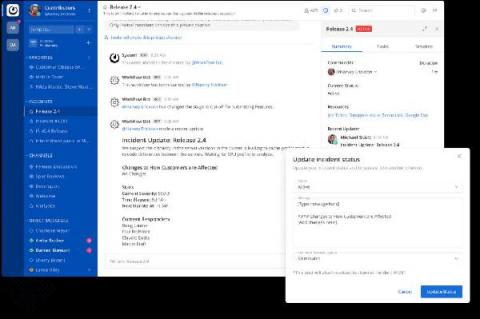
Teams are always looking for a speed advantage, and that comes from planning, crisp execution, and teamwork. To this end, we’re excited to release new enhancements to Incident Collaboration to help make life easier for DevOps teams during incident response. The Mattermost platform includes built-in Incident Playbooks with predefined response plans and task lists. Playbooks can be customized to your environment and specific use cases.

Is Your Home Built to Last? Investing in Cloud-Based ITSM for a More Secure Tomorrow

Buying a home requires thoughtful planning and takes a significant amount of time and resources. Beyond your list of must-haves, you’ve likely kept tabs on houses of interest to you, the state of the market, how safe the neighborhood is, and more. Another factor in your decision is how the house is equipped to grow with you—will it continue to meet your needs in the next five years? It’s critical to establish a sound foundation that works for you today and in the future.

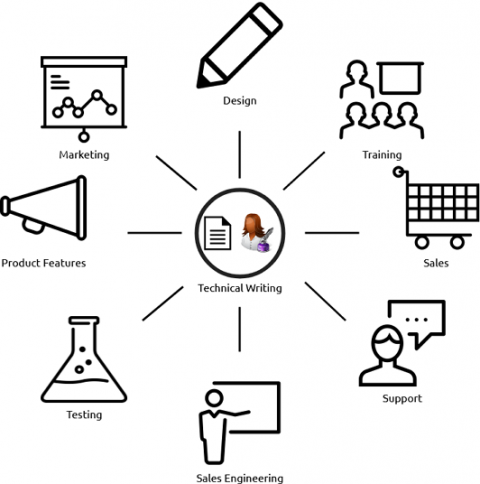
Effective Technical Writing Is Essential for Your Organization's Success

"No one likes documentation", chirped the little blue birds. The bird quotes in the image above are all taken from real tweets and are listed below for accessibility: I can't argue with "liking to write documentation" being a rare skill, since so many people are vocal about disliking it. That tweet might prove to be true, in which case, technical writers should simply be more appreciated for the rare gems that they are. In this blog post, however, I’m going to explain.

The DevSecOps Cultural Transformation

Let’s take a moment and think about security in your organization. Security is often separate from other engineering teams such as development, operations, networking, IT, and so forth. If you narrow down your focus to specifically releasing new software or features and functions in existing software, you’ll find that while development and operations are working together very quickly and efficiently, they’re still vaulting these functions and features over to security.

Hunting for Lateral Movement using Event Query Language

Lateral Movement describes techniques that adversaries use to pivot through multiple systems and accounts to improve access to an environment and subsequently get closer to their objective. Adversaries might install their own remote access tools to accomplish Lateral Movement, or use stolen credentials with native network and operating system tools that may be stealthier in blending in with normal systems administration activity.

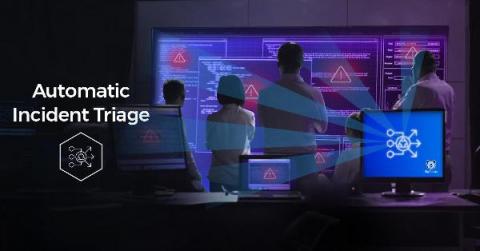
Say goodbye to guessing: Introducing Automatic Incident Triage by BigPanda

Low MTTR is the much-desired nirvana-state in IT Operations. One of the most painful parts of the incident management lifecycle, which prevents the achievement of this nirvana, is triage: the time it takes first incident responders to determine the next action when facing a barrage of IT incidents. Why?

7 Reasons Why You Should Consider a Data Lake

With the volume, velocity, and variety of today’s data, we have all started to acknowledge that there is no one-size-fits-all database for all data needs. Instead, many companies shifted towards choosing the right data store for a specific use case or project. The distribution of data across different data stores brought the challenge of consolidating data for analytics.