News Roundup October 22, 2021
On this day in 1938, law student Chester Carlson invented the first photocopier in Queens, New York.


On this day in 1938, law student Chester Carlson invented the first photocopier in Queens, New York.
The introduction of Git as a source-code management system in 2005 fundamentally transformed the process of software development. Git allows developers to maintain a history of changes, or commits, to their code and revert to previous commits in seconds if something goes wrong. It makes collaboration easier by allowing branching to keep code for different features separate and seamlessly merging commits by various people.
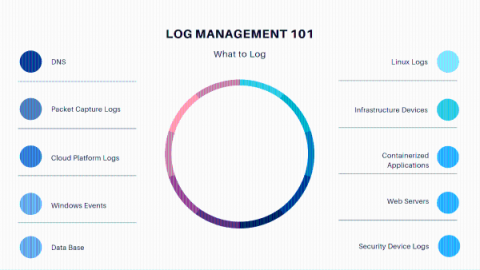
Log management software gives the primary diagnostic data in your applications’ development, deployment, and maintenance. However, choosing the log sources to log and monitor could often be a daunting task. The primary cause of concern in monitoring all sources is the high price tag that many SIEM tools in the market charge based on the number of users and sources ingesting logs. At observIQ, we offer unlimited users and sources.
Fully functioning sites, stores, and backend systems are essential for attracting customers, delivering services, and managing operations internally. Every organization’s systems and processes have a direct impact on its business, revenues, and reputation. IT performance monitoring should strive to ensure that the systems and processes of any organization operate correctly, round the clock.
We’re gradually shifting more to working remotely. And, the number of companies embracing remote and hybrid workforces in the wake of the pandemic is a substantial proof. Nevertheless, several organizations do face varied challenges from welcoming these conventional IT solutions as switching to these initiatives tend to seem quite tedious.
AIOps was once considered just a back-office fundamental, a solid suite of tools simplifying routine security and network monitoring tasks that primarily served the IT shop. The accelerated pace of digital transformation is changing that. Now, IT service and operations teams are in the spotlight and tasked with enabling business performance that help their companies provide seamless digital experiences and evolve in a fast-changing economic environment.
Since 2003, with the sponsorship of the U.S. Department of Homeland Security (DHS), October has been recognized as National Cyber Security Awareness Month. As with other important issues that have “designated months,” like Bullying Prevention Month and Domestic Violence Awareness Month (both also recognized in October), these are issues that deserve year-round attention, not limited to 31 days in October.