Top 9 Skills for SREs from ex-Instacart SRE
A list of the top nine SRE skills, from incident management, to cloud computing, to networking and beyond.


A list of the top nine SRE skills, from incident management, to cloud computing, to networking and beyond.
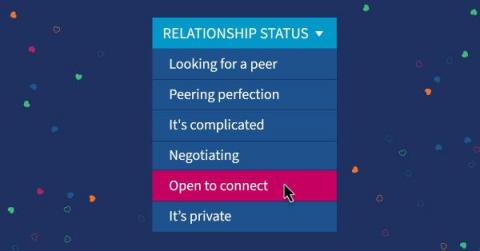
When it comes to the internet, understanding the global ecosystem can be tough. There’s a lot of manual work that service providers and digital businesses have traditionally put into finding the best way to reach customers over IP networks. And more work is needed for benchmarking against competitors and finding the best relationships for peering.
In the past 24 hours, funding website GiveSendGo has reported that they’ve been the victim of a DDOS attack, in response to the politically charged debate about funding for vaccine skeptics. The GiveSendGo DDOS is the latest in a long line of political cyberattacks that have relied on the DDOS mechanism as a form of political activism. There were millions of these attacks in 2021 alone.
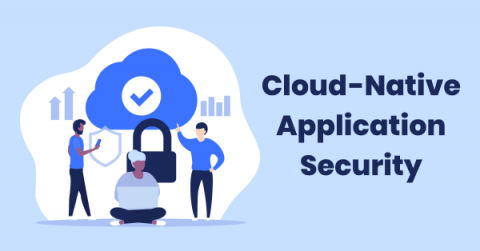
First-generation security solutions for cloud-native applications have been failing because they apply a legacy mindset where the focus is on vulnerability scanning instead of a holistic approach to threat detection, threat prevention, and remediation. Given that the attack surface of modern applications is much larger than in traditional apps, security teams are struggling to keep up and we’ve seen a spike in breaches.
We hosted a webinar a few weeks back on using Cribl LogStream to make your security operations more scalable, efficient, and cost-effective. The turnout was fantastic and, while we answered most of the audience’s questions live, we couldn’t get to all of them. So I’ll go through the questions we couldn’t get to and offer some answers. Along the way, I’ll also share the results of two polling questions we asked during the webinar.
The Azure Active Directory (Azure AD) is Microsoft’s cloud-based identity and access management (IAM) service and an identity provider (IdP). Azure AD is the backbone for authentication in Microsoft 365 and for thousands of cloud-based SaaS applications. Azure AD provides several features for your organization and one of the features is the Microsoft Identity Platform.
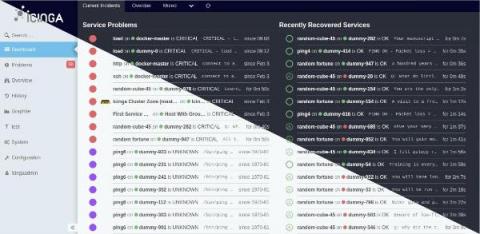
Most of you know that Icinga Web can be adjusted by themes. Some of you also have made some! Icinga Web itself comes with several themes since the early days. Now with the next upcoming major update v2.10 we’ll take themes to their next evolution. But since we’ve postponed this feature, much additional work has gone into it, which I want to outline today. There will be some general hints for module/theme development as well.
OpenTelemetry is a strong standard for instrumentation because it is built of careful, well-thought-out abstractions created by experts in the space. OpenTelemetry feels painful to start using because it’s full of abstractions that make sense to experts in the space. For a developer who wants to think about their own software and not spend a month becoming an expert in telemetry, this is hard. For high-level conceptual description, there’s the OpenTelemetry specification.
Every business from large enterprises through to small startups needs some level of log management in their day to day operations. For large-scale enterprises, Splunk has quickly become one of the most popular log management solutions globally. Splunk was developed for enterprise-level log analysis and Security Incident and Event Management (SIEM). The tool can also be used by medium-size enterprises as long as your organisation generates large volumes of machine data and log files.
IT service management (ITSM)—the management and support of IT services—is vital for good customer service. It encompasses problem management, incident management, change and release management, and service-level management. Because it’s an integral part of customer service, it’s important to keep it optimized and streamlined. Here are three ways automation can help with those efforts.