Data is everywhere and there is no doubt that the datasets we now spans gigabytes easily. We live in a data-rich world. Everyone is on the internet and getting meaningful information from queries this data set is critical. Most of the time they get overwhelmed with the data and have trouble finding what they are looking for. Here comes the Search Engines which is designed to search for websites on the internet based on the user's search query.
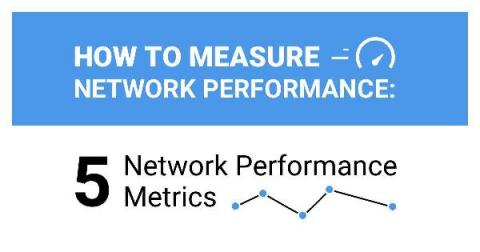
As more companies continue to rely on SaaS and cloud applications to run their businesses, it becomes important for them to ensure their network infrastructures can withstand the demand, and that they’re able to offer their services quickly and reliably. Continuous network monitoring can help you ensure that your network is always performing at its highest level. So, we’re running you through exactly how to measure network performance, and what network metrics you should be looking at.
Recently, we had the opportunity to hear from Charlie Betz of Forrester Research about the future of technology operations. He covered the shift from project-based work to product team orientation, the integration between DevOps and IT services and the ways in which the entire enterprise is getting value from investments in artificial intelligence. Check out some of the interesting questions and answers from the discussion and be sure to catch the full conversation in the video below.
As mentioned in Part 1 of this blog series, IT Service Management (ITSM) and IT Asset Management (ITAM) make a great combo to support IT’s overall plan to maximize operational efficiencies and improve service delivery experiences, while also optimizing compliance and cost. This post discusses the remaining three use-case examples: 3) Tackle Problem Assets with Proactive Management; 4) Effective Change Management; and 5) Complete Lifecycle Visibility.
At the end of March 2021, Microsoft released Azure Monitor for Windows Virtual Desktop (WVD) for General Availability. Built upon Azure Monitor Workbooks to give insights into the Windows Virtual Desktop environment, including: Connection Diagnostics, Connection Performance, Host Diagnostics, Host Performance, Utilizations, Users, Clients and Alerts.
Operating in today’s digital economy often involves dealing with an extensive network of third-party providers and partners. Common types of partner networks include affiliates, vendors, suppliers, marketing platforms, and payment gateway providers. Partner networks involve tracking and analyzing data from multiple providers, each of which creates thousands of metrics and billions of events each day.
Hybrid Fiber Coaxial (HFC) networks are inherently agile and able to adapt to demand spikes. This significant characteristic was most recently demonstrated by their success in handling pandemic-induced traffic surges.
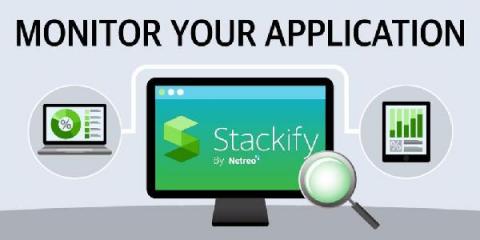
Application monitor solutions are not novel but rather an evolutionary technology. These types of solutions answer the problems that most developers and DevOps teams encounter when building an application. Application monitor solutions help determine potential defects so developers can take corrective actions quickly. Hence, building an application is no longer complete without application performance monitoring (APM) solutions.