Operations | Monitoring | ITSM | DevOps | Cloud

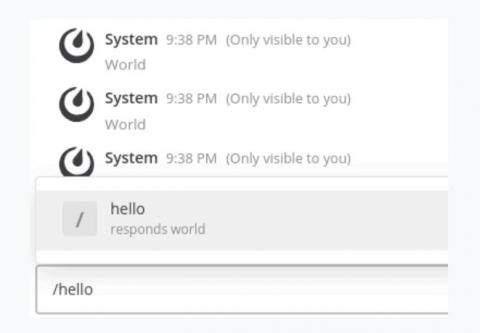
Mattermost plugins: The server side

In the first article in this series, we explained how to set up your developer environment to begin creating Mattermost plugins. In the second, we examined the structure of server-side and web app plugins and how to deploy them. Now, it’s time to dive deeper into the server side of the application, which is written in Golang.

How Aiven manages your Apache Kafka clusters | Aiven Developer Tips

Aiven’s developer advocate Francesco Tisiot explains how we manage your Apache Kafka cluster to provide a service that’s always there when you need it. TIMESTAMPS ABOUT AIVEN We help organizations fuel the continuous innovation needed to create awesome, data-intensive applications by using the leading open source technologies. After building expertise managing mission-critical data infrastructure for companies like F-Secure and Nokia, Aiven’s founders noticed that cloud adoption was increasing but infrastructure solutions were either proprietary or difficult to translate into business results.

Cloud 66 Feature Highlight: Bring Your Own Image

What is Bring Your Own Image? One feature that makes very fast deployments possible is Bring Your Own Image (BYOI). Your app might rely on custom packages or use a specific version of a certain library. You can automate this process using Deploy Hooks or custom scripts, but compiling and installing these custom options every time you fire up a new instance can add a lot of time to your build and deployment process. That's where BYOI comes in.

How to Troubleshoot Network Issues-Guide and Recommended Tools

You’re going to run into network issues during normal operations—in part because so many kinds of errors can cause noticeable problems in your network. Identifying the root cause of each issue is critical and to do so successfully, you want to make sure you have the right network troubleshooting solutions in your arsenal before wading in. This helps ensure you have a clear understanding of the scope of the problem before you attempt any network troubleshooting steps.

Do You Need an Alert for Your Alerts? Building Smarter Monitoring Systems

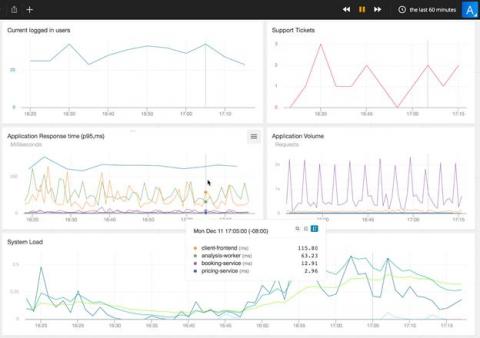
Traditional systems monitoring solutions poll various counters (typically simple network management protocol [SNMP]), pull in data and react to it. If an issue requiring attention is found, an event is triggered—perhaps an email to an administrator or the firing of an alert. The admin subsequently responds as needed. This centralized pull approach is resource-intensive. Due to the pull nature of the requests, it results in data gaps and data that may not be granular enough.

No pants, no problem: Employees Report More Work Yet More Satisfaction in the Everywhere Workplace

“We want to work remotely.” That’s the major takeaway from Ivanti’s just-released survey on the Everywhere Workplace. Nearly 2,000 consumers across the U.S. and U.K. responded. While most of them were abruptly shifted into remote work due to circumstances outside their control – and those circumstances were scary and confusing – there has been a silver lining. They’re happier at home.

That One Time Using APM Bit Us

At Catchpoint, our mission is to provide customers with actionable data that will help them reduce MTTR and maintain a positive digital experience. We measure "from where the users are" to ensure the data reflects real end-user experience. As someone that's part of the Catchpoint on-call chain, this is extremely important to me. I do not want to be woken up at 2 AM because a server is misbehaving, only to find out that the application failed over gracefully and no users were impacted.

New in Elasticsearch 7.13: Even faster aggregations

In our last episode, I wrote about some speed improvements to date_histogram and I was beside myself with excitement to see if I could apply the same principles to other aggregations. I've spent most of the past few months playing a small part developing runtime fields but eventually I found time to take a look at the terms aggregation.