Operations | Monitoring | ITSM | DevOps | Cloud

New in Grafana 7.4: Export usage data to Loki to help manage dashboard sprawl and troubleshoot faster

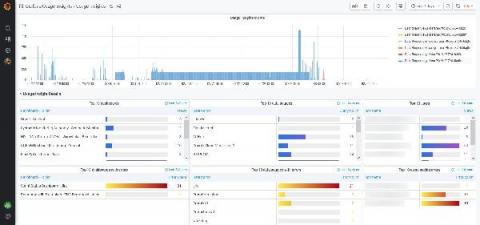
We first released the usage insights Enterprise feature in Grafana 7.0 based on feedback from customers that they would like to better understand how their users are interacting with Grafana, including the dashboards they visit, the information they query, and where they run into issues. What we learned was that dashboard sprawl is a real issue: Administrators estimate that almost 60% of dashboards might not be used at all.

All together now: Bringing your GKE logs to the Cloud Console

Troubleshooting an application running on Google Kubernetes Engine (GKE) often means poking around various tools to find the key bit of information in your logs that leads to the root cause. With Cloud Operations, our integrated management suite, we’re working hard to provide the information that you need right where and when you need it. Today, we’re bringing GKE logs closer to where you are—in the Cloud Console—with a new logs tab in your GKE resource details pages.

DevSecOps vs DevOps: What are the Differences?

The modern technology landscape is ever-changing, with an increasing focus on methodologies and practices. Recently we’re seeing a clash between two of the newer and most popular players: DevOps vs DevSecOps. With new methodologies come new mindsets, approaches, and a change in how organizations run. What’s key for you to know, however, is, are they different? If so, how are they different? And, perhaps most importantly, what does this mean for you and your development team?

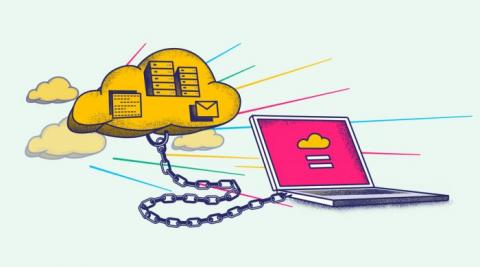
11 Tips for Avoiding Cloud Vendor Lock-In

11 Tips for Avoiding Cloud Vendor Lock-In Cloud vendor lock-in. In cloud computing, software or computing infrastructure is commonly outsourced to cloud vendors. When the cost and effort of switching to a new vendor is too high, you can become “locked in” to a single cloud vendor. Once a vendor’s software is incorporated into your business, it’s easy to become dependent upon that software and the knowledge needed to operate it.

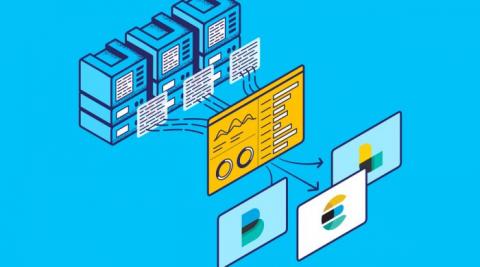
Metricbeat Deep Dive: Hands-On Metricbeat Configuration Practice

Metricbeat, an Elastic Beat based on the libbeat framework from Elastic, is a lightweight shipper that you can install on your servers to periodically collect metrics from the operating system and from services running on the server. Everything from CPU to memory, Redis to NGINX, etc… Metricbeat takes the metrics and statistics that it collects and ships them to the output that you specify, such as Elasticsearch or Logstash.

Doubling Down: What It's Like Contributing to Open Source at Logz.io

Logz.io has always prided itself as a company pushing the use of open source tech. As we have moved to expand our reach with metrics and traces over the past year and a half, we have doubled down on our own contributions to the community. With (distributed) traces in particular, we have been able to forge ahead. Our relationship with the teams at Jaeger and OpenTelemetry have really blossomed (and we are kind of proud to have supported the latter in the run-up to the OpenTelemetry v1.0 release).

Halp Conversational Ticketing for Slack

Workplace communication is shifting from email to messaging within communication platforms like Slack. With this shift, internal employees are becoming accustomed to requesting help or information using the platform where they’re already working. Adopting yet another tool causes overhead, increased context switching, and room for information loss. Halp offers employees a way to request service or ask for help directly from the tools they’re already using.

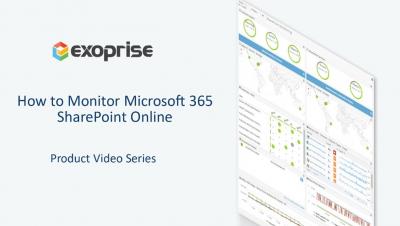
How to Monitor Microsoft SharePoint Online Performance

In this video, we’ll cover the basics of getting started with Exoprise CloudReady and how to set up your first sensor to monitor Microsoft 365 SharePoint from your own locations or behind the firewall. You will learn how to quickly install the management client, add a private site, deploy a SharePoint sensor and visualize the data in the CloudReady platform all in under 5 minutes. CloudReady supports deploying private sensors behind your firewall or public sensors in the cloud for synthetic transaction monitoring. Service watch, on the other hand, can be deployed for real user monitoring of remote user issues.