Operations | Monitoring | ITSM | DevOps | Cloud

The Fundamentals of ITIL Service Design

ITIL service design is defined as the second stage in the ITIL v3 service lifecycle. This stage creates a blueprint for effective and efficient IT services and ensures they are fit for purpose and use. It comes right after the service strategy that previously sets out the objectives and guidelines that underpin the whole process.
Case Study: Building an Operations Dashboard

Picture a simple E-commerce platform with the following components, each generating logs and metrics. Imagine now the on-call Engineer responsible for this platform, feet up on a Sunday morning watching The Lord of The Rings with a coffee, when suddenly the on-call phone starts to ring! Oh no! It’s a customer phoning, and they report that sometimes, maybe a tenth of the time, the web front end is returning a generic error as they try to complete a workflow.

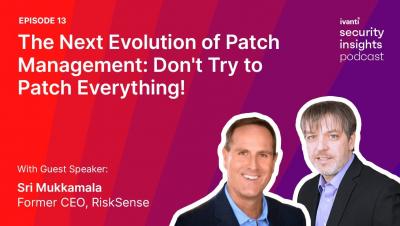
The Next Evolution of Patch Management: Security Insights Podcast Ep. 13

Welcome to Security Insights: where best-practice cybersecurity meets the real-world risks, workplaces, and roadblocks you face every day. Join Chris Goettl, head of Endpoint Security Product Management, and Ashley Stryker, your cybersecurity "rubber duck", as they review the security strategies and tactics that truly matter to the information security teams protecting organizations, agencies, and businesses like yours.

Cloud Visibility: Kentik Cloud Enhancements for AWS

Watch an in-depth walkthrough of using Kentik to streamline incident investigations and improve productivity when working with AWS. We demonstrate how to analyze data related to IP traffic denials across multiple VPCs, identifying security group issues and using the Kentik Data Explorer for enriched flow data visualization. The video also explains how Kentik’s cloud data reporting capabilities enable quick and efficient problem-solving, reducing the time to resolution. It’s perfect for IT teams looking to boost efficiency and tackle common issues related to security groups and access control lists.

Cloud Visibility: Announcing Kentik Map for Google Cloud

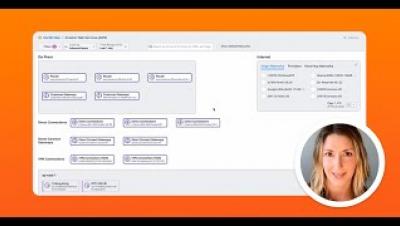
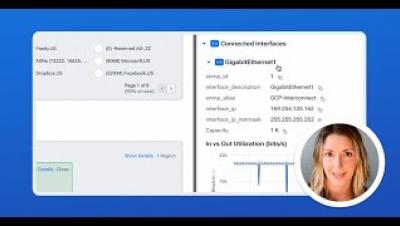
Learn how Kentik Cloud can improve efficiency in managing Google Cloud infrastructure. It showcases Kentik Map, which provides a constantly updated, detailed visualization of your hybrid cloud environment, illuminating how resources interact and are nested within each other. Watch as we demonstrate how to analyze real-time traffic flow, troubleshoot connection problems, and use the routing table to understand network communication issues. Whether you’re resolving network problems, onboarding new team members, or migrating applications to the cloud, the Kentik Map offers a powerful tool to enhance your productivity in Google Cloud.

Receiving MySQL database Alerts

Imagine your popular website or app suddenly slowing down significantly or even stopping altogether. You scramble to find the root cause while losing customers and income every minute. This stressful situation is all too familiar, but you can avoid it. Proactively monitoring MySQL databases can help prevent these issues and keep your performance at its best.

From Git to Kubernetes

Join our webinar to learn best-practices when using the JFrog Platform to store and manage your Docker images and Kubernetes deployments from beginning to end, while also setting up a continuous build, test and deploy pipeline. We’ll cover best practices for managing and creating Docker registries and Helm repositories, testing and promotion of Docker containers, and taking your containers all the way to production using the JFrog Platform and Kubernetes together.