No amount of data matches a live chat with your customers
In my world, customer-driven is beating data-driven’s ass.


In my world, customer-driven is beating data-driven’s ass.
The majority of the public has a decent general knowledge of technology, especially as younger generations grow up surrounded by phones, tablets, and virtual reality simulations. However, with technology as an industry spanning across many categories and developers creating new specialisms each year, there are still those who distinguish themselves and emerge into the industry with revolutionary ideas.
Among all the pesky attacks that keep security administrators working late, advanced persistent threats (APTs) are possibly the most lethal. An APT is a long-term, targeted attack which involves stealthily spying on an organization’s network activity or siphoning off sensitive data, as opposed to openly damaging or locking down network resources.
Downtime happens. That’s a fact, and it’s nearly impossible to predict. But there are some days when the chances of downtime are higher. Maybe it’s higher-than-normal website traffic, or increased app sign-ups. When planned high-traffic days are on the horizon, it’s a good idea to spend some extra time preparing for the worst.
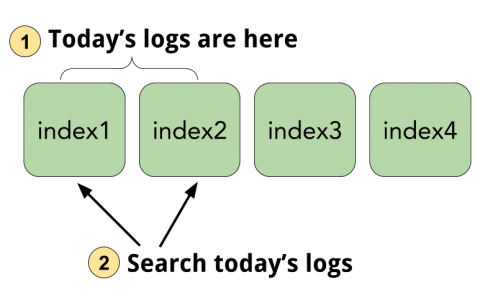
We’re excited to announce the release of the Field Stats API plugin for Elasticsearch. The Field Stats API used to be present from Elasticsearch 1.6 to 5.6, to provide efficient statistics for fields of each index. For example, the minimum and maximum values of a date field.
Let’s face it, Kibana and Grafana were naturally meant to go together, right? They’re both great individually, but sparks really start to fly when they work together! Each has their own strengths but combined they cover all the monitoring and troubleshooting use cases you need. So what is keeping these two highly compatible technologies apart? Nothing. Anymore.
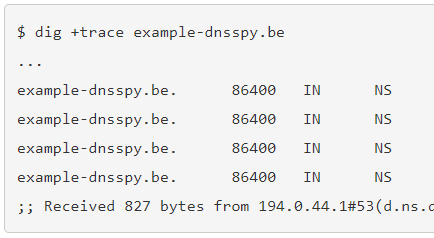
Ever since the launch of our DNS scan, we’ve had the warning about mismatched NS records. Many users choose to ignore this, but there’s a pretty good reason we give a big warning whenever those records don’t line up. In this blogpost, we’ll show what can happen with misconfigured NS records.