Operations | Monitoring | ITSM | DevOps | Cloud




LeadDevLive 20- Liz Fong-Jones w/ animation, Tradeoffs on the road to Observability

Virtual Time Series Meetup - September 2020
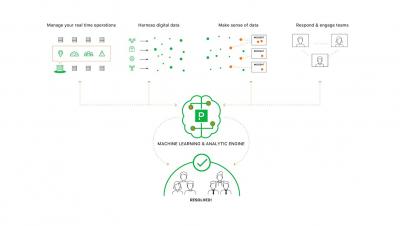
The PagerDuty Platform Overview - Extended Version (4 min.)

What is Azure Blob Storage?
If you have ever had the need to store large amounts of files and data, then Azure’s Blob Storage is made for you. Microsoft’s Azure Cloud provides huge benefits with not only their fantastic services, locations, availability and support, but also in their almost seemingly infinite capacity. Azure Blob Storage is not only scalable, durable and almost always available it also provides flexibility to scale as your business requirements need.

The Platform Engineering team story
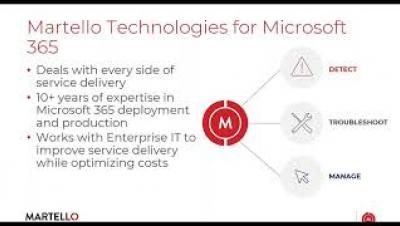
Ensuring Microsoft 365 Service Quality and Proactive Service Delivery Management

The ROI of Digital Experience Monitoring
In business, it’s important to ensure that you are getting the most out of the tools that you are paying for. If it’s a monitoring service, the data you collect should give you actions to help improve incident management by identifying the root cause of user issues faster. Assessing the return on investment (ROI) for all of the tools you use in your IT department is an essential step for improved efficiency and adoption of applications.

12 quick video meeting tips to try right now

Ivanti is a Challenger in UEM Magic Quadrant
I am a challenger. It’s in my DNA somewhere I am sure. To find limits. Evaluate them. Develop an attack angle. Push beyond. Repeat. This is largely due to my hobby of cycling, which I had no idea would further develop my challenger habits when I took it up a handful of years ago. In cycling, it’s easy to find targets for goals. Sprint to the next intersection. Ride up a climb. Complete a 100-mile century. For me, it came in the form of a particular one-day cycling race covering 205 miles.