We were built on empathy
Take it from ServiceNow's founders: creating technology for the sole purpose of making other people's lives better is the most fulfilling thing you can do.


An analysis of SRE job descriptions from 4 companies highlights what businesses actually expect SREs to do.
You may have noticed a few changes around here. If you explore our new website, you’ll notice new products, expansions to our open source libraries, significant contributions to our favorite open source project, OpenTelemetry, and new integrations with Google Cloud. You might just think we’re taking “new year new me” a little too seriously, but in fact we’ve been planning some of these changes for a long time. It all stems from our firm belief in open source technology.
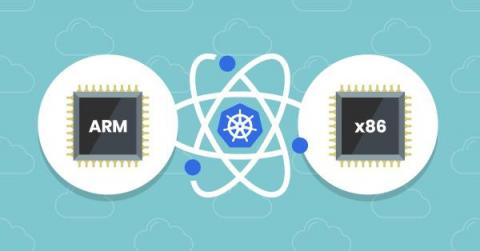
Central processing units (CPUs) can be compared to the human brain in that their unique architecture allows them to solve mathematical equations in different ways. x86 is the dominant architecture used in cloud computing at the time of this writing; however, it is worth noting that this architecture is not efficient for every scenario, and its proprietary nature is causing an industry shift toward ARM.