Sysdig Welcomes Gerald and the Wireshark Community
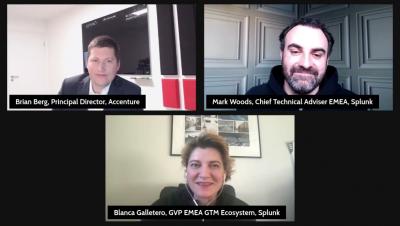
We are excited to announce that Gerald Combs, the original creator and lead maintainer of Wireshark, has joined Sysdig. In addition, Sysdig is becoming the primary sponsor of Wireshark.


Since the pandemic struck, education has moved even further online. Many schools are now actively transforming their programs to ensure uninterrupted remote education of high quality. This means device deployments have commonly grown to 1-to-1 — every student now has a laptop. At the same time, budget constraints don’t allow buying subscription plans for all the software schools and educational institutions need. Sounds familiar?
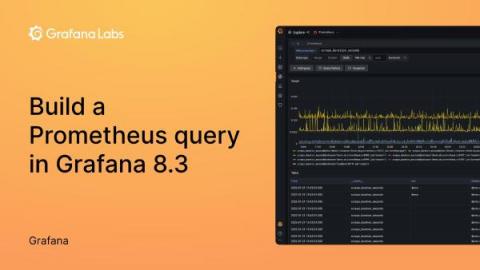
Once you have set up your Prometheus data sources in Grafana, it’s time to put them to work. In the one-minute tutorial video below, we show you how to build a query in Grafana 8.3 with Grafana’s easy-to-use Explore mode. Prometheus uses a query language called PromQL. If you are already familiar with PromQL, you can simply enter your query in the text field and run the query.
Stackify Retrace primarily supports Java, .NET, PHP, Nodej.js, Ruby, and Python applications. New Relic supports Java, node.js, Python, Go, PHP, .NET, and Ruby. On the other hand, Scout APM supports Ruby, Python, Node.js, PHP, Elixir & Phoenix, in addition to Error Monitoring, Database Monitoring and External Services Monitoring.
It's the middle of the night when your phone goes off. You rub your eyes and unlock the screen to see a SEV 1 alert from your incident management tool. The application is down, multiple cloud server instances are offline, and the remaining instances are being overwhelmed by the sudden increase in demand. You jump out of bed and start trying to troubleshoot. You log into your cloud provider and try to provision systems manually, only to find out you can't.