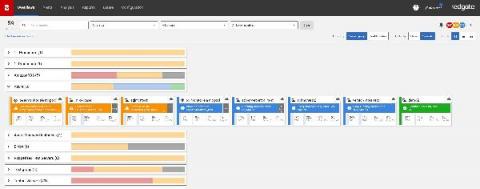
Starting today, Honeycomb’s Management API is generally available to all Honeycomb users. The Honeycomb Management API is a set of endpoints that lets you programmatically set up, configure, and delete queries, datasets, derived columns, and more. With this release, you can now manage Honeycomb with configuration as code either directly via API or with third-party tools, like Terraform, using the community-contributed Honeycomb provider.
The Splunk Attack Range project has officially reached the v1.0 release. By achieving this milestone, we wanted to reflect on how we got here, what features we’ve built for v1.0 and what the future looks like for Splunk Attack Range. What is the Splunk Attack Range? 🧐
On our cloud-native journey, we live in a containerized world. Our environments are containers, managed by orchestrators, and living on some level of computing clusters. Of course, that means you are also responsible for managing all those bits, right?
In our last blog, we introduced OpenTelemetry Python v1.0.0 and walked you through instrumenting a Python application and install both the OpenTelemetry API and SDK.
I don’t like to be the bearer of bad news, on the contrary, I think that the more we talk about website downtime, the more people that will be aware that it happens to the best of us. I’ve put together some of the most well-known companies in the world on this April’s downtime list so you can see for yourself just how easy it is for your website to go down, regardless of how many pennies are in the bank.
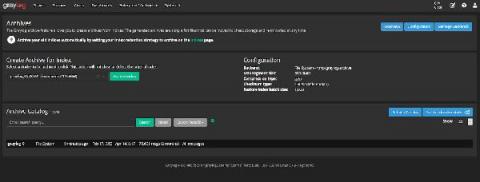
Every week we get many great questions through support, the community, social media, and our weekly demo. On Fridays, I like to share the most common questions and answers, tips, insights, a closer look at Graylog, interviews, etc. If you have any questions for me, drop them on Twitter, and I’ll do my best to fold them into upcoming Friday posts. Our handle is @graylog2.