2019 continues to be a great year for ManageEngine accolades. This time, we are proud to announce that we’ve been named a May 2019 Gartner Peer Insights Customers’ Choice for Network Performance Monitoring and Diagnostics Software. The consistent performance of our network performance monitoring (NPM) solutions—OpManager, NetFlow Analyzer, and Network Configuration Manager—has been the driving force behind this recognition.
Metrics are the lifeblood of every data-driven decision. Question after question on forums like Reddit, Stack Overflow and other IT communities ask which metrics teams should focus on for improving website speed and end-user experience. There’s a push in web development circles to focus on Time to First Byte (TTFB) to measure and improve website speed. But every viewpoint has its opposition.
An emerging use case for containerized platforms has been the ability to deploy applications in what is termed as an air-gapped deployment. This deployment pattern is particularly pronounced around edge computing (more on that later in the blog series) – though there exist significant differences between edge clusters and air-gapped deployments. Air-gapped applications are those that run isolated from datacenter or internet connectivity.
Calico provides users flexibility by detecting and choosing the right tool for the right job. One of our core values at Tigera is Our customer is the hero of our story. We consider the OpenSource users of Project Calico our customers and we intently listen to their needs to continuously deliver new capabilities and enhanced performance.
The accelerating pace of technological change is the most disruptive force affecting the financial services industry today, with fintech disruptors making significant headway across every segment across the sector—including banking, payments, lending, insurance, and trading.
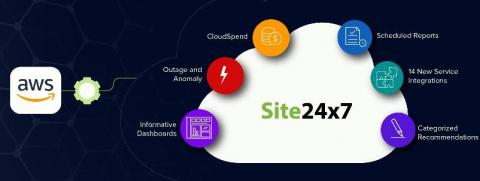
When it comes to cloud strategy, companies rank “cutting costs” as their top priority for 2019, according to a recent Datamation survey. That’s not to say that they plan to cut back on cloud spending in general; in fact, those budgets are very much expected to grow. Rather, companies are looking for ways to reduce unnecessary costs and optimize cloud spend.
Access to observability is becoming critical to organizations shipping software, running modern infrastructures in production, and to understanding how users are experiencing their service. To achieve success in delivering a complex service, it’s no longer optional to instrument for real visibility and ease of troubleshooting, to optimize alerting to enable a focused response, to do what is needed to drive toward real understanding and ownership of the code we deliver.