For developers, understanding the performance of shipped code is crucial. Through the last decade, a tablestake function in software monitoring and observability solutions has been to save and track app metrics. Engineers love tools that get out of your way and just work, and the appeal of today’s best-in-class application performance monitoring (APM) suites lies in a seamless day zero experience with drop-in agent installs, button click integrations, and immediate metrics collection.
Do you have much experience using the Call Quality Dashboard (CQD)? Does your team go on about it being a ‘good starting point’? Do you even know what the CQD does? Fear not. If you answered ‘no’ to any of those questions, we’re going to fill you in with all the details that matter and give you some additional direction on how to get the most out of them. The bottom line is they’re a good starting point, but a long way from being a proactive performance solution.
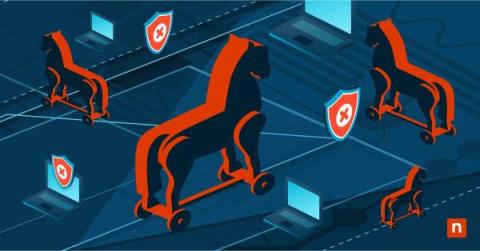
As subtle as they are dangerous, Trojan horses (or just “Trojans”) masquerade as benign software only to unleash havoc once inside your computer. Despite their stealthy nature, there are specific strategies you can employ to safeguard your digital assets from these threats. Below, we’ll discuss how to recognize the signs of a Trojan infection, steps for removing Trojan viruses from your devices, and how to reduce the risk of future infiltrations.
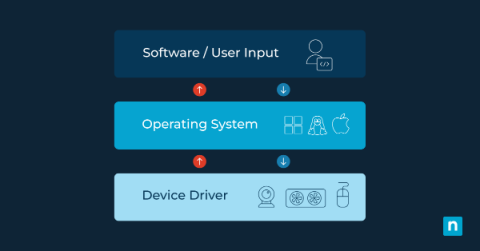
You’re in the middle of an important task when suddenly your computer starts acting up—maybe it’s a flickering screen or a printer that’s decided not to heed your commands. Whatever the case, keeping your system drivers updated can help prevent and resolve these problems. But what exactly are drivers, and how do you update them? Below, we’ll offer guidance on how to update drivers on PCs and nip those nagging issues in the bud.