Operations | Monitoring | ITSM | DevOps | Cloud




Database Observability Provides the Features Customers Need for Effective Monitoring

Lessons in Incident Response I Learned While Waiting Tables
Before I stumbled into the tech industry (a story for another day), I spent several years in the customer service world as a server and front-of-house manager in restaurants. It was in these jobs that I first honed some critical skills that would later lead me on the path to incident response.

Network Latency & How To Improve Latency
What you can't do with Kubernetes network policies (unless you use Calico): Policies to all namespaces or pods
Continuing from my previous blog on the series, What you can’t do with Kubernetes network policies (unless you use Calico), this post will be focusing on use case number five — Default policies which are applied to all namespaces or pods.

Getting started with IT operations automation
Tech companies face a daunting challenge: a staggering 90% of their IT teams are stuck doing mundane, repetitive tasks, leaving only 10% to focus on strategic innovation. Companies know that automation is the solution to these repetitive, low-level incident response actions; however, many need support to begin automating.

The ultimate guide to incident management KPIs and metrics
IT incident management aims to swiftly identify, address, and resolve IT disruptions to restore normal service operations. Tracking IT incident management key performance indicators (KPIs) is a vital step toward minimizing disruptions for customers and users. But there are several different KPI and metrics choices, and it’s not easy to identify the right ones that can drive meaningful improvements in incident management.
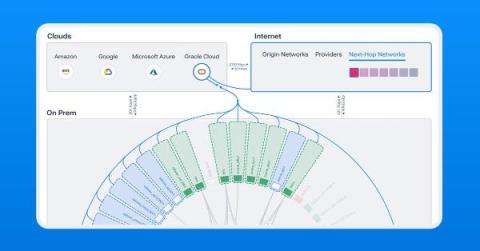
Kentik Expands Hybrid Cloud Observability with OCI Support
Kentik now provides network insight into Oracle Cloud Infrastructure (OCI) workloads, allowing customers to map, query, and visualize OCI, hybrid, and multi-cloud traffic and performance.