Operations | Monitoring | ITSM | DevOps | Cloud

Sponsored Post

Incident Management for Digital Service Providers

Digital service providers (DSP) are valued for their ability to provide access to digital content on demand. A high-quality customer experience and instant access to digital services are the greatest expectations of consumers and vital aspects of successful DSPs. Therefore, it's crucial that incidents, when they occur, don't impact your operations. With a robust incident management strategy, DSPs can provide their teams with tools for automating, coordinating, and quickly resolving issues without-or with minimal-service interruptions.
How OpsRamp Log Management Helps You to Find and Fix Issues Faster

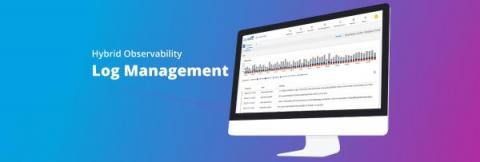
OpsRamp has enhanced its hybrid observability capabilities by adding an integrated log management solution to unify log, event and alert data within customers’ monitoring and event management command center. Presenting this log data as part of a unified view of IT performance data and integrating it with remediation capabilities will allow enterprises and service providers to expedite the process of identifying and resolving potential issues before they impact their business operations.

Observability vs. Monitoring

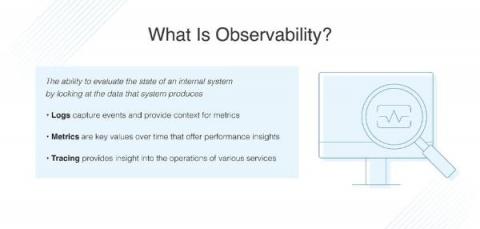
Today, organizations are moving toward distributed systems to provide top-notch application services. This trend has made both observability and monitoring essential practices. As observability and monitoring are often used interchangeably, many people tend to get confused. It’s crucial to understand the difference between the two to use the right approach for a given scenario.

How to install the Site24x7 APM Insight .NET Core agent in Linux

This video will guide you through the installation of the Site24x7 APM Insight.NET Core agent. With the APM Insight.NET Core agent, you can monitor your web applications built in.NET Core 2.0 and above. You can track HTTP requests, SQL queries, errors, exceptions, web API calls, and remote calls in your ASP.NET Core applications hosted on Windows, Linux, or Mac. Related links The one-line code to include in the Program.cs file: builder.Services.AddSite24x7ApmInsights();

What is Patch Compliance?

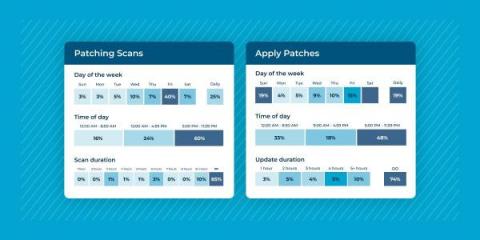
Software patching is the important process of deploying updates. These updates are often released to resolve security vulnerabilities and exploits that could lead to a cyberattack. In fact, many high-profile cyberattacks could have been minimized or avoided altogether if not for unpatched software -- which is why patch management is a critical part of cybersecurity best practices and compliance. As cybersecurity regulations continue to roll out, new standards are being created for patch management.

Webinar: 2023 ITOps budgeting to win: use new research-based outage cost data

It’s no secret that the digital transformation essentially broke IT operations. With the rise in technology came a rise in outages capable of bringing organizations to a screeching halt. Those outages are expensive, and for years, the same number was thrown around as the authority on how much an outage cost (around $5,600 per minute). This number took off and was used in presentations, sales decks and other resources for years. But how could this number have stayed the same year over year?

Best practices for continuous testing with Datadog

In Parts 1 and 2, we looked at how you can build and maintain effective test suites. These steps are a key part of ensuring that application workflows function as expected. But how you run your tests is another important point to consider, so in this post, we’ll walk through best practices for executing your tests across every stage of development. Along the way, we’ll also look at how Datadog supports these practices for the applications that you are already monitoring.

Maximize efficiency with Terraformer: Manage Squadcast resources via IaC

Ever since Terraform was first launched by HashiCorp, infrastructure teams have been quick to leverage its functionality. Because deploying infrastructure via code became so much easier and error-free. This surely became a great way to deploy new infrastructure with custom configurations, but what about managing cloud infrastructure that is already defined? Can Terraform be used to make changes to them? Or can it be used to deploy the same configurations to new environments?

Datadog on Building an Event Storage System

When Datadog introduced its Log Management product, it required a new event data storage platform, as storing logs and events is a completely different problem from storing metrics, which was the first Datadog product. Over time, Datadog introduced more and more products that needed to store and index multi-kilobyte timeseries “events”, re-using the Event Platform infrastructure from Log Management. The increased use of the Event Platform and the new feature requirements coming from new products started exposing the limitations of the legacy system and the need for a new approach

How Tint Streamlines Infrastructure Automation and Meets Compliance Requirements

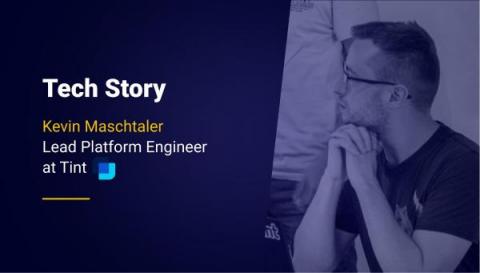
I recently had the opportunity to speak with Kevin Maschtaler, the Platform and Reliability lead at Tint, about their experience with Qovery. Tint began using Qovery in early 2022 to automate their infrastructure and support their team and customer growth. In this article, we will explore Tint's journey with Qovery, including how we continue to assist them with compliance in the testing and release process and how we help them save on cloud costs through our partnerships.