For a successful cloud migration, creating (and later refining), a cloud migration strategy tailored to your organization’s goals, available resources, workloads, and priorities is an absolute necessity. So here, we’ll take a look at a simple list of the areas you’ll need to quantify and understand to build that strategy and then improve it as you move forward through the cloud migration process.
One of the core values of Canonical, that we all identify with, is the mission of bringing the power of open source to everyone on the planet. From developing to developed countries. From individuals to big enterprises. From engineers to CEOs. And there is only one way to find out if we are efficient in what we do. This is community feedback. It is no different this time.
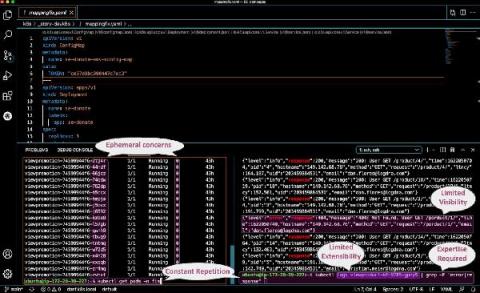
The pursuit of Digital Transformation and DevOps practices has led to several benefits such as increased deployment rates and better collaboration across teams. However, it has also led to endless abstraction, an increase in responsibilities, and many new tools (Kubernetes, hybrid-clouds and all their services, etc.). This increase in complexity has turned observability into an essential component of all ecosystems.
Today, employees are consumers of the workplace. Just as companies compete for customers, they compete for candidates and to retain their existing workforce. Employees want a sense of belonging and to feel engaged in their everyday work. When employee happiness and engagement is lacking, it impacts the satisfaction and quality of work—and could mean missed business growth. [Transform employee experience.] According to Gallup, highly engaged business units can result in.
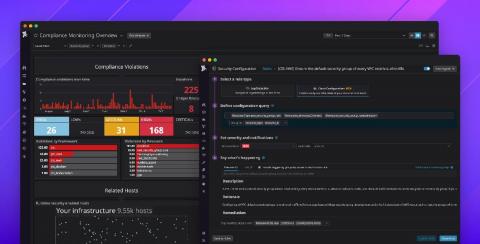
Governance, risk, and compliance (GRC) are major inhibitors for organizations moving to the cloud—and for good reason. Cloud environments are complex, and even a single misconfigured security group can result in a serious data breach. In fact, misconfigurations were the leading cause of cloud security breaches in 2020. This puts a lot of pressure on developer and operations teams to properly secure their services and maintain regulatory compliance.
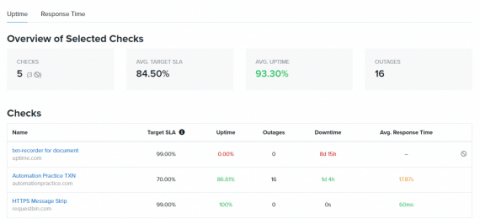
Oh no. Your website is down. And regardless of what time it is we guarantee it’s not a convenient time for your website to crash. An outage can cause a panicked fight-or-flight response when teams are unprepared for the consequences. One of the worst ways to deal with downtime is to try and wait it out thinking it’ll just magically resolve itself.
Puppet products and solutions are designed to make your work day easier—and learning how to use them should be just as easy. That's why we’re excited to launch Puppet Practice Labs—hands-on, always accessible, browser-based tutorials that make it simpler than ever to explore automating and managing your infrastructure and application workflow with Puppet.
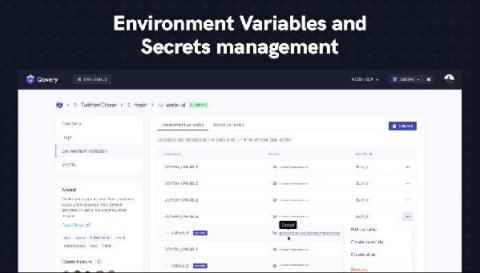
I am super excited to announce that we released the support of Environment Variables and Secrets. Watch the video to see those features in action. Environment Variables and Secrets are similar. The main difference is that the Secrets are encrypted and the value can’t be revealed. Both are injected at the build and runtime of your applications. Give it a try now! Resources: I am eager to have your feedback. Put a comment here.