Operations | Monitoring | ITSM | DevOps | Cloud

The Place Where Modern Operations & Technology Come Together

The latest News and Information on Asset Management, Device Management and related technologies.

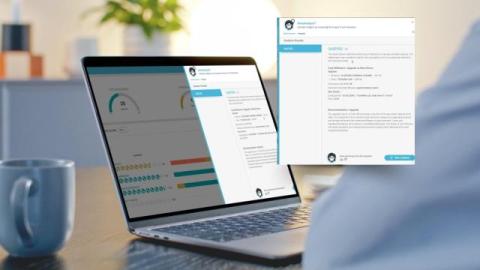
AlmaAnalysis: The Enhanced CIQ DEX feature that transforms digital employee experience analysis
In today’s landscape of digital transformation, companies are increasingly dependent on technologies that improve productivity and enhance the employee experience. However, measuring the real impact that each device, system, and configuration has on daily operations remains a significant challenge for many IT teams.
The five IT Asset Lifecycle Management phases
Master the complete journey of IT assets – from planning and procurement to deployment, maintenance, and retirement – so you can maximize value, reduce risk, and make smarter IT decisions. In this lecture, we break down the five IT Asset Lifecycle Management (ITALM) phases and explain how each step connects to the bigger picture. This session gives you a clear roadmap of the IT asset lifecycle, so you can see how every stage fits into a seamless management process.
Spreadsheets vs. IT Asset Lifecycle Management software
In this lecture, we compare spreadsheets vs. IT Asset Lifecycle Management (ITALM) software to show why the tools you use can make or break your ITAM strategy. This session will help you evaluate your current approach and understand the real benefits of moving beyond manual tracking. Don’t forget to like, subscribe, and turn on notifications to keep learning how to optimize your IT assets.
How to Choose Inventory Management Software for Small Business (Free or Paid?)
In 2025, inventory management has become a central challenge for all SMBs (Small and Medium-sized Businesses). Whether you run a retail store, a construction company, or an online shop, knowing where your products are, in what quantities, and at what time is essential to avoid stockouts and optimize costs. But with the wide range of tools available, one question often comes up: should you choose free software or invest in a paid solution? This article helps you make the best decision for your business.

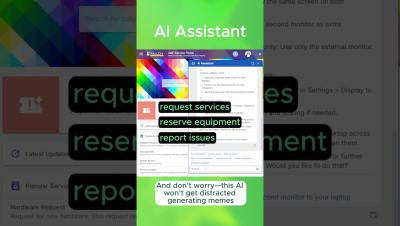
AI Assistant for Self-Service Portal #helpdesk #aiassistant
Take a load off your IT team! The new AI Assistant instantly understands user problems and pulls tailored solutions from past tickets and your knowledge base, so customers can resolve standard issues independently. In this video, we used gpt-4.1-mini for completion and text-embedding-3-large for generating embeddings. Perfect for IT teams and help desks looking to reduce repeat requests and give customers faster, more independent support.

Why you need a holistic, high impact DEX strategy
Read the report: ivanti.com/experience Digital Employee Experience (DEX) has emerged as a critical business factor in driving productivity, employee satisfaction, and overall business success. In this video, Ivanti CPO, Karl Triebes discusses research from Ivanti’s 2025 DEX Report (ivanti.com/experience) on the transformation of DEX strategy, its significance in the modern workplace, and the strategies organizations can implement to create a seamless and effective DEX.
The Benefits of Cloud Migration in 2025
What’s so attractive about moving to the cloud?
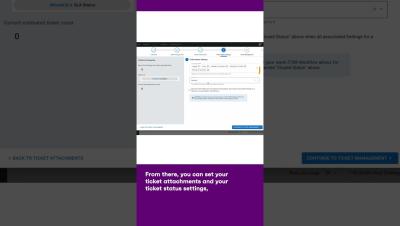
Mastering Auto Ticketing with Ivanti Neurons #shorts
Mastering Auto Ticketing with Ivanti Neurons Learn how to effectively use the auto ticketing feature that integrates with Avanti Neurons. This process requires an ITSM connector and involves configuring collection settings. The system tracks ticket attachments and statuses, automatically generating tickets for vulnerabilities. This enhances the team's capability to identify, prioritize, and address issues proactively.