
Operations | Monitoring | ITSM | DevOps | Cloud

The latest News and Information on Cloud monitoring, security and related technologies.

How to Enhance Cloud Security with Proactive Proxy Strategies

Cyber threats can hit businesses of any size, anywhere. A single breach might do more than just leak data (which is already bad) - it could also halt operations, endanger your budget, and damage your reputation. Luckily, you don't have the battle of data security alone. You have a wide range of tools at your disposal, starting with antivirus solutions, two-factor authentication, and going further to network monitoring software and more.

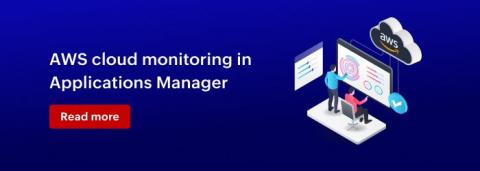
AWS cloud monitoring in Applications Manager

As businesses continue to migrate their applications and services to the cloud, Amazon Web Services (AWS) has become a popular choice for its scalability, reliability, and cost-effectiveness. However, with the increasing complexity of cloud environments, it has become crucial for businesses to have a robust monitoring system in place to ensure the smooth functioning of their applications. This is where AWS monitoring tools, like ManageEngine Applications Manager, come into play.

AWS Vs. Azure Vs. Google Cloud: Which Is Right For Your Organization?

Here is the thing. You don’t need more than one cloud service provider unless you are considering a multi-cloud strategy. And even if you plan to work with all three cloud vendors, you’ll want to know which one is right for specific services. To help you decide, we’ll share the strengths, pricing, and other differences between Amazon Web Services (AWS), Microsoft Azure, and Google Cloud Platform (GCP) below. Let’s start from the very beginning.

Azure SQL Managed Instance cost optimization

Azure SQL Managed Instance is a fully managed Platform as a Service offering. It closely resembles the on-premises SQL database server, making it an excellent choice for users who want to set up a hybrid environment. SQL Managed Instance has good feature compatibility with the on-premises SQL Server. There are three main factors that directly contribute to or affect the pricing. Here’s a quick breakdown to help you understand how the costs add up.

Realistic Strategies for FinOps Driven K8s Optimization

Reduce node counts to drive down infrastructure costs (on-prem and in the cloud). Get an overview of common issues that drive excess cost and understanding the 3 core strategies for tackling them. Done right, you can reduce node counts, which in turn impacts infrastructure cost and potentially reduces expensive software licenses such as OpenShift. In this 20-min session we cover the 3 core strategies.

Cloud Infrastructure Explained - Components and Benefits

Cloud infrastructure provides the hardware and software components that power cloud computing. It allows you to focus on your business logic instead of managing physical resources. In this article, you'll learn about cloud infrastructure, its benefits, and core components. You'll also explore delivery and deployment models that cater to different business needs, and discover how SigNoz can help you monitor and optimize your cloud infrastructure.

How to Reduce Metrics Costs with Grafana Cloud Adaptive Metrics | Grafana Labs

Grafana Cloud Adaptive Metrics has helped users save up to 70% on observability costs by automatically aggregating unused and partially used metrics. This video features a demo on Adaptive Metrics, where you’ll learn what we mean by “adaptive” — automating the process of recommending which metrics to drop while giving you the flexibility to determine any exemptions. This boils down to maintaining effective observability while reducing costs.