Operations | Monitoring | ITSM | DevOps | Cloud

The latest News and Information on Cloud monitoring, security and related technologies.

Monitoring edge and fog computing devices

Edge computing and fog computing are technological advancements gaining traction in a hyper-connected world. Being close to the source, edge computing enables data collection and processing at the fastest possible speeds. Instead of sending all the data to a remote cloud location through the internet with latency, edge devices store and process most of it onsite and pass the heavy lifting to the central cloud to achieve the quickest turnaround.

AWS AI: Introduction to Amazon SageMaker, Amazon Rekognition, and Amazon Comprehend

Artificial intelligence (AI) and machine learning (ML), ever-evolving fields that are subtly and stunningly transforming our world, are now firmly rooted in most aspects of the current tech landscape and business processes. Their growth is exponential, and their effects are largely positive – fostering business endeavors, enhancing our quality of life, and shaping how we live, work, and interact.

Ambition, action, and award-winning achievement: creating UK's first EDGE Network

The lessons of history: spotting the EDGE opportunity By early 2020, Pulsant had evolved into a midmarket service provider focused on regional businesses. Catering to this demanding community, Pulsant had developed a range of platforms and data centres to service those businesses that drive the economic growth of UK plc.

CloudHealth Vs. CloudWatch: How Do They Differ?

Amazon’s CloudHealth and VMware’s CloudHealth are two of the most popular cloud management and system monitoring platforms today. But which platform does what, and are they even direct competitors? In this post, we'll compare the two services and highlight their main differences so you can choose which to use — or whether to use both.

Architecting Cloud Instrumentation

Architecting cloud instrumentation to secure a complex and diverse enterprise infrastructure is no small feat. Picture this: you have hundreds of virtual machines, some with specialized purposes and tailor-made configurations, thousands of containers with different images, a plethora of exposed endpoints, s3 buckets with both public and private access policies, backend databases that need to be accessed through secure internet gateways, etc.

Proven methods for elevating end-to-end tracking in Azure/Hybrid Integrations

Tracking end-to-end message or business data across Azure/hybrid integration and implementing end-to-end tracking presents a significant challenge for many organizations. To solve this problem, many rely on various monitoring tools like Log Analytics, App Insights, etc., designed for developers. However, when it comes to supporting applications in production or real-time for non-technical Azure operations/support teams, this approach can be challenging in terms of security and expertise.

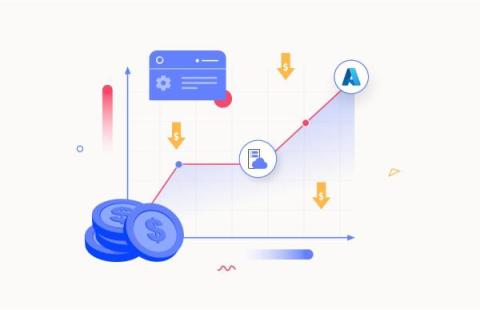
Azure Rightsizing: Maximizing Performance and Minimizing Costs

Organizations increasingly leverage Azure to host their applications and services in today’s cloud-driven world. However, efficiently managing Azure resources ensures optimal performance, cost-effectiveness, and resource utilization. One essential aspect of resource management is rightsizing. In this blog post, we’ll explore the concept of rightsizing Azure resources and provide practical tips on optimizing your deployments.

Unleashing the Power of Azure Storage Integration

Azure Storage Integration! Sounds like a mouthful, doesn’t it? If you’ve been around the block in the world of cloud computing, you’ve probably heard of Azure and its seemingly limitless storage capabilities. In this article, we will dissect this powerful service, shedding light on what it is, how it works, and how you can leverage it to make your cloud journey smoother and more efficient.

Using AKS with workload identities in terraform

We all use Kubernetes on a daily basis, and the more we use it, the more it is apparent that Kubernetes alone will not be as fruitful as it will be with deeper integrations. One of these integrations is Microsoft Azure, which provides the ability to connect, use, and retrieve information from services on your behalf.