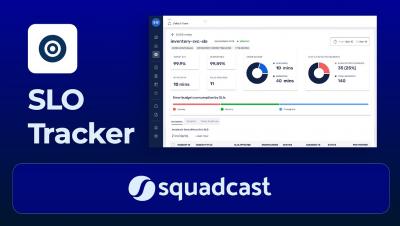
Introduction to SLO Tracker | Easy way to track SLOs and Error Budget Burn Rate | Squadcast
This video gives you an introduction to SLO Tracker, what it is capable of, and how you can configure your first SLO.


The latest News and Information on Incident Management, On-Call, Incident Response and related technologies.
For teams that follow a structured build and release cycle, having a reliable, shared workflow makes the difference between chaos and consistency. With every new feature in development the team needs to know what the specs are, how it fits in the roadmap, what the customer feedback was, where to find the repository, who is responsible for each step, and so much more.
When Russia invaded Ukraine on February 24, 2022, it sent ripples through many markets. Ukrainian car factories which supplied Europe were interrupted, oil and gas supply from Russia was throttled, and the supplies of steel, sunflowers, corn, and wheat were affected. Prices of sugar and petroleum surged, a threat of long-lasting high inflation emerged, and social unrest began to foment, with cyber-attacks coming both out of and going into Russia.
Releasing software to users has become a sophisticated and intricate process that requires high levels of consistency and coordination. A release has to be built, brought together, documented, tested and deployed, which requires coordination of at least four separate teams and a generous handful of pipelines and other tools. Without a well-documented process things can get messy very quickly, causing stress for everyone involved.
Whether you’re part of a team managing SaaS products or a high-security digital workspace, sometimes Things Go Wrong and must be addressed with extreme care, professionalism, and predictability. For outages, data breaches, vulnerabilities and more, you and your team are juggling a variety of tools, processes, and rigid incident management systems. When the on-call pager goes off at 3 am almost no one has the ability to remember every step needed to kick off all the response workflows.
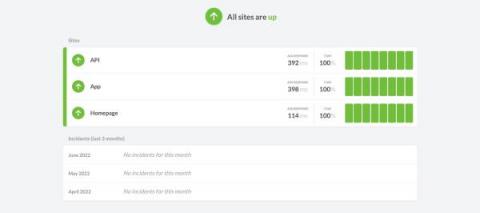
Honeybadger's new incident management feature lets you report incidents in real time, schedule alerts for upcoming maintenance, or retroactively insert an update for past incidents.
GrafanaCONline 2022 is off to a great start with exciting news from around the Grafana-verse and a jam-packed day filled with dashboards showcasing how Grafana is used in space, in industrial IoT, at live events, and even in an effort to prevent food waste.
For years, Netcool has been omnipresent in many IT Operations organizations. That, combined with the sheer utility it once brought to the table, sometimes gave it a special sort of nostalgic reverence in IT Operations circles. But with all due respect to Netcool, there’s also little doubt the platform’s real-world utility has waned in the era of cloud and hybrid ops.