The Machine Learning team at Splunk has been hard at work over the last several months preparing for a few exciting launches at.conf22, held just a few weeks ago. Splunk customers want to leverage machine learning (ML) in their environments, but many aren’t sure how to use it, or even how to get started.
We announced Cribl Search in May, and customer reaction has been incredibly positive. We’ve heard for some time that organizations have data everywhere. They have data in their observability lakes, analytics tools, object stores, and at the edge. The big challenge facing enterprises is that existing search models require you to take all of this data that you don’t know is valuable or not, move it into one place, and then make decisions about whether this is valuable?
There is no escape from the need for patch management and updates. It is true that operating systems and software vendors are getting better, faster, and more efficient about how they make and deploy patches. However, for businesses, patch management remains a time-consuming necessity that has big impacts on security, compliance, and day-to-day operations for IT teams and the businesses they serve.
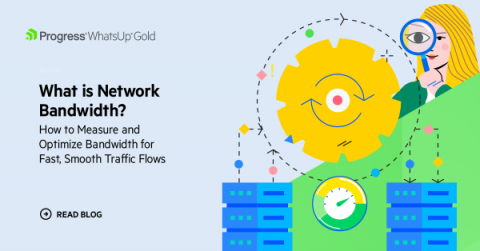
Many think they know what network bandwidth is but conflate performance with capacity. This blog, among other things, will end that confusion. And for true IT experts, we’ll dive deep into the whys and wherefores of network bandwidth monitoring and optimization.
Virtual collaboration is the new name of the business game in 2022, with at least 25% of employees in the US predicted to be working remotely by the end of the year. As the Work-from-anywhere movement continues to grow and online meetings become the industry standard, remote employees increasingly rely on access to SaaS and mission-critical services directly from the Internet.
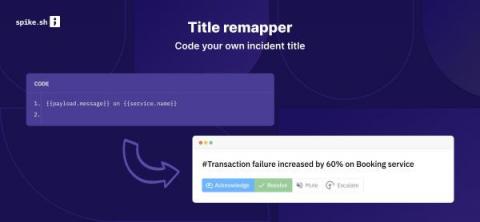
Over the last few months, a number of our users have asked if we can add more context to their alerts. We spoke with them on our live chat on dashboard and brainstormed the idea of Title Remapper.