Part 1: The Shifting & Expanding of Partner Value Expectations
This is the first part of a two-part blog series on ScienceLogic’s partner ecosystem.


This is the first part of a two-part blog series on ScienceLogic’s partner ecosystem.
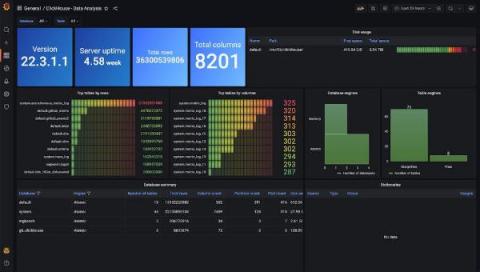
We are delighted to introduce the new first-party ClickHouse plugin for Grafana, developed by Grafana in collaboration with ClickHouse. Grafana is committed to continuing our partnership and maintaining this plugin, and we’re excited to add more features and to grow with ClickHouse. But why Grafana + ClickHouse?
In the alphabet soup of IT buzzwords, DevSecOps is one of the more confusing abbreviations. More than just a trendy buzzword, DevSecOps is the mature organization’s next evolution in comprehensive development processes.
Creating a seamless digital support experience can make employees, service desk agents, and businesses more successful. Automating mundane, time-consuming tasks, such as triaging incidents and shifting to a proactive support model offers numerous benefits: That’s why ServiceNow and Microsoft entered a strategic partnership to help mutual customers accelerate digital transformation, create great experiences, and unlock productivity, including leveraging artificial intelligence (AI).
System Monitor, better known as Sysmon, is one of my favorite security datasets. The data is crazy detailed and offers a great way to power security detection and response since it gives cyber security teams a roadmap to understand exactly what systems or people are doing while they use any Windows operating systems. The avalanche of the data is the downside and why observability engineers need tools like Cribl Stream to manage and enrich Sysmon data to make it more useful and more cost-effective.
Nobody actually cares about the network. Provocative words coming from a network visibility company, you might be thinking. However, consider what you’re doing right now. You’re reading a blog on a website, maybe clicking around other tabs, possibly streaming some music, and likely keeping an eye on your work chat. These are all applications, and that’s what we all truly care about, not the plumbing that delivers them.
HTTP is one of the most popularly used protocols on the internet. Most user-facing applications expose HTTP APIs or apps of some form. The HTTP protocol is the basis for the World Wide Web or the tangible, visible part of the internet. However, you can also utilize this technology to test the performance and availability of your web apps.
Having enough time available is a struggle we all experience. Technological innovations enable us to develop and deploy software at lightning speed: Sometimes we can push more to production than our organizations’ IT environments can handle. At the same time, we want to increase customer satisfaction by reducing downtime. But how are you going to keep customer satisfaction rates high if a large majority of incidents are caused by changes?