Operations | Monitoring | ITSM | DevOps | Cloud

Explore NGINX usage, performance, and transactions to increase customer experience

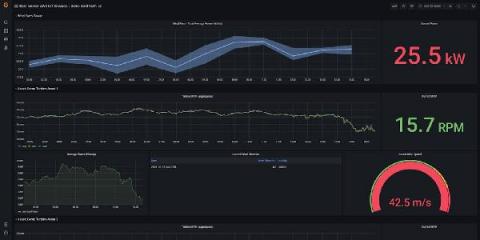
If your team falls into the majority of organizations that use NGINX – which remains the world’s most popular Web server – to host websites and Web applications, monitoring NGINX usage, performance, and transactions is critical for maintaining a positive end-user experience. Keep reading for tips on doing so. This article identifies the most important metrics to monitor for NGINX in order to understand key usage and performance trends within NGINX transactions.

4 Tips for a Productive Digital Workplace

What does a productive digital workplace look like? For many companies, that question isn’t easy to answer. Even before 2020, enterprise business leaders have been exploring the many benefits of bolstering their digital workplaces with smart technologies and IT practices. That last figure is particularly revealing: almost all businesses are aware of the importance of digital workplaces, but less than half are taking steps to create an effective one.

What Should You Do When You Receive Event Log Monitor Alerts?

When you are installing PA Server Monitor, you will need to configure what occurs when there are event log monitor alerts. You typically set this up during the initial install. However, it is not uncommon to want to make changes and updates or even add new events to your server monitoring software as you become more familiar with it.

Monitoring Your Website's Accessibility

Web accessibility is a vital aspect of search engine optimization (SEO) and overall user experience (UX). Maximizing the effectiveness of both is dependent upon how accessible your site is. With 5G wireless technology changing the expectations of website monitoring, you need to be even more aware of how accessibility influences your results. Tracking web accessibility metrics doesn't have to be complicated.

How human-centered design yields better ITSM experiences

Today’s employees and customers expect modern, frictionless IT service management (ITSM) experiences that incorporate digital workflows. But how do enterprise IT leaders deliver on this expectation? The answer is simple: human-centered IT service management. Human-centered ITSM means incorporating human-centered design to simplify IT technology and make it easy for people to use. It’s not a completely new concept, but it’s more critical today than ever. Here’s why.

Five worthy reads: The unexpected costs following a cyberattack

Five worthy reads is a regular column on five noteworthy items we’ve discovered while researching trending and timeless topics. In this edition, we’ll learn about the worst data breaches that happened recently, their impact, and the cost of data breaches for companies. The COVID-19 pandemic has not only had an impact on the mental and physical health of employees, but on the digital health of organizations around the world.

Collect Amazon CloudWatch metrics faster with Datadog using CloudWatch Metric Streams

Having quick access to metrics and health signals from your AWS environment is paramount to identifying issues expediently and monitoring the effects of any deployed fixes. Datadog is proud to partner with AWS for the launch of CloudWatch Metric Streams, a new feature that allows AWS users to forward metrics from key AWS services to different endpoints, including Datadog, via Amazon Kinesis Data Firehose with low latency.

ITOM vs ITSM

Is it important to your customer to understand the distinction between IT Operations Management (ITOM) and IT Service Management (ITSM)? Most likely not. Your customers are only concerned with how quickly you solve their problems. It makes no difference to them which application or infrastructure you use. So why should you, as an organization, be concerned about the meaning of these concepts, how they align, how they differ, and why they matter?

Not knowing real time asset intelligence is a non starter

Complexity breaks correlation. Intelligence brings cohesion. This simple principle is what makes real-time asset intelligence a must-have for AIOps that is meant to diffuse complexity. To further create a context for the user, it is critical to understand service dependencies and correlate alerts across the stack to resolve incidents. CMDB systems have been useful to break down configuration items into logical layers. But, that’s not enough because they can become outdated very soon.

How to configure services in Squadcast: Best practices to reduce MTTR

With a rise in digital platforms, IT infrastructure has grown exponentially complex to a level where multiple application interdependencies coexist with varied architecture & oncall team types. This blog looks at how you can model your infrastructure in Squadcast to reduce your time to respond & resolve incidents.