Operations | Monitoring | ITSM | DevOps | Cloud

InfluxData Launches InfluxDB University

Live and on-demand trainings simplify application building for faster Time to Awesome™ SAN FRANCISCO – March 9, 2022 – InfluxData, creator of the leading time series platform InfluxDB, today announced the launch of InfluxDB University (InfluxDB U), an online education platform for customers and developers working with time series data.

Class is in Session - Announcing InfluxDB University

At InfluxData, it’s no surprise that we are passionate about time series data. Our team is committed to helping our community understand its capabilities and sharing easier and more efficient ways of working with InfluxDB, Telegraf and Flux. Our end goal is always to deliver faster Time to Awesome™ for our users. To this end, we’re excited to announce the launch of InfluxDB University.

CircleCI acquires test intelligence platform Ponicode

Today we are pleased to announce that CircleCI has acquired Ponicode, a Paris-based AI engine for analyzing source code, with the goal to help developers produce better code in their local development environment. Ponicode caught our attention with their dedicated focus to helping developers handle their least favorite tasks — the toil surrounding writing code — such as authoring tests, commenting code, analyzing code quality, and more.

AWS Cost Categories Vs. Tags: How To Get True Cloud Cost Visibility

Although Amazon Web Services (AWS) announced cost categories a few years ago, many people still struggle to understand the difference between them and AWS tags. If this sounds familiar to you, you are not alone. This quick guide will walk you through AWS Cost Categories, how they work, and how they differ from tags in AWS.

11 DevOps Best Practices You Should Know to be More Productive

Software engineering teams are continually seeking methods to improve and speed up the software development process. DevOps, an engineering methodology that brings development and operations together, is one popular strategy. Development and operations teams are frequently isolated in traditional engineering companies, which can lead to conflict between these two vital arms.

How We Monitor Elasticsearch With Metrics and Logs

As an architect at SolarWinds, it’s essential to work with our own monitoring tools as a form of quality control and source for innovation. As one of the largest players in the IT monitoring and management world, we’re always thinking about ways to make it seamless for customers to work across our suite of tools. One of those tools I’ll focus on today is SolarWinds® Loggly®—our log management and analytics product, which is also a part of our APM integrated experience.

CentOS 8 is end-of-life: Now what?

There were many reasons people came to use CentOS as an alternative Linux platform to Red Hat Enterprise Linux (RHEL). CentOS was originally built as a downstream release of RHEL, which was free to use without support. CentOS became the de facto standard for many organizations that did not want to use RHEL for production workload, since it’s basically the same thing, just rebranded.

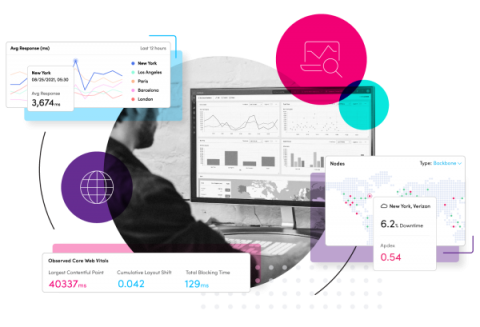
It's Time for Observability Built for a Digital World

Today marks the start of a new chapter at Catchpoint, as we launch our digital experience observability platform. In this post, I’ll share with you some of the wider contextual factors driving this launch, as well as how the continuous evolution of our platform supports a massive market need.

How to monitor your Apache Spark cluster with Grafana Cloud

Here at Grafana Labs, when we’re building integrations for Grafana Cloud, we’re often thinking about how to help users get started on their observability journey. We like to focus some of our attention on the different technologies you might come across along the way. That way, we can share our tips on the best ways to interact with them while you’re using Grafana Labs products.